







Póngase en contacto con Attiroof
Si busca soluciones de techado personalizadas de primer nivel, confíe en Attiroof. Nuestro compromiso con la calidad y el servicio es inigualable. Comuníquese con nosotros para comenzar su proyecto hoy mismo.
La guía definitiva para tejas autolimpiables para hogares y negocios
¿Por qué ir a la luz? The Ultimate Guide to Choosing Lightweight Roofing Solutions (en inglés)
The Ultimate Guide to Fire re-resistant Roofing: Materials, Benefits, and Tips (en inglés)
9 Diseños Únicos de Tejas para Tejados: Potenciando la Fachada de tu Hogar
2024-02-29
La Guía Completa de Sistemas de Canalones para Techos
En Attiroof, comprendemos la importancia de cada aspecto de su tejado, y por eso hemos creado esta guía integral sobre sistemas de canalones. Los canalones son más que simples elementos funcionales; son cruciales para proteger su hogar de las inclemencias del clima y realzar su atractivo general. En esta guía, lo acompañaremos a través de los aspectos esenciales de los sistemas de canalones, explorando diversos tipos, materiales y sus impactos tanto en la estética como en la funcionalidad. Nuestro objetivo es brindarle, ya sea propietario de una vivienda o profesional, las perspectivas y elconocimiento necesarios para tomar las mejores decisiones según las necesidades de su tejado.
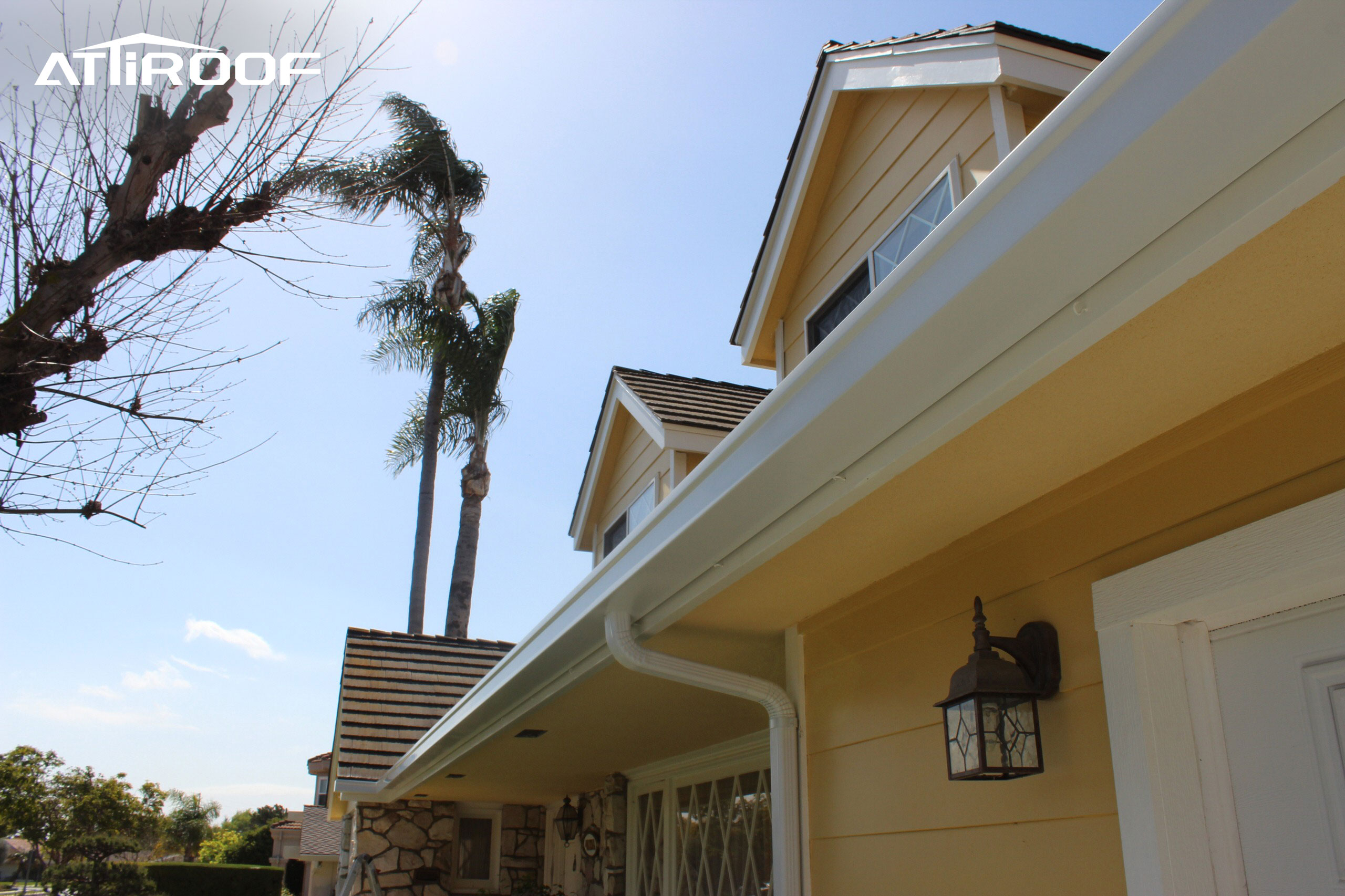
Los sistemas de canalones son los héroes anónimos de la cubierta, desempeñando un papel crucial en la protección de su hogar contra daños por agua. En Attiroof, destacamos la importancia de estos sistemas para canalizar eficazmente el agua de lluvia, protegiendo así los cimientos de su vivienda, previniendo la erosión del suelo y manteniendo la integridad estructural.
Los canalones no son solo una necesidad funcional; también contribuyen al atractivo estético de su hogar. Comprender su importancia es fundamental para mantener la durabilidad y seguridad de su espacio vital, un compromiso que en Attiroof asumimos seriamente para ayudarle a lograr.
Entendiendo los Fundamentos de los Sistemas de Canalones
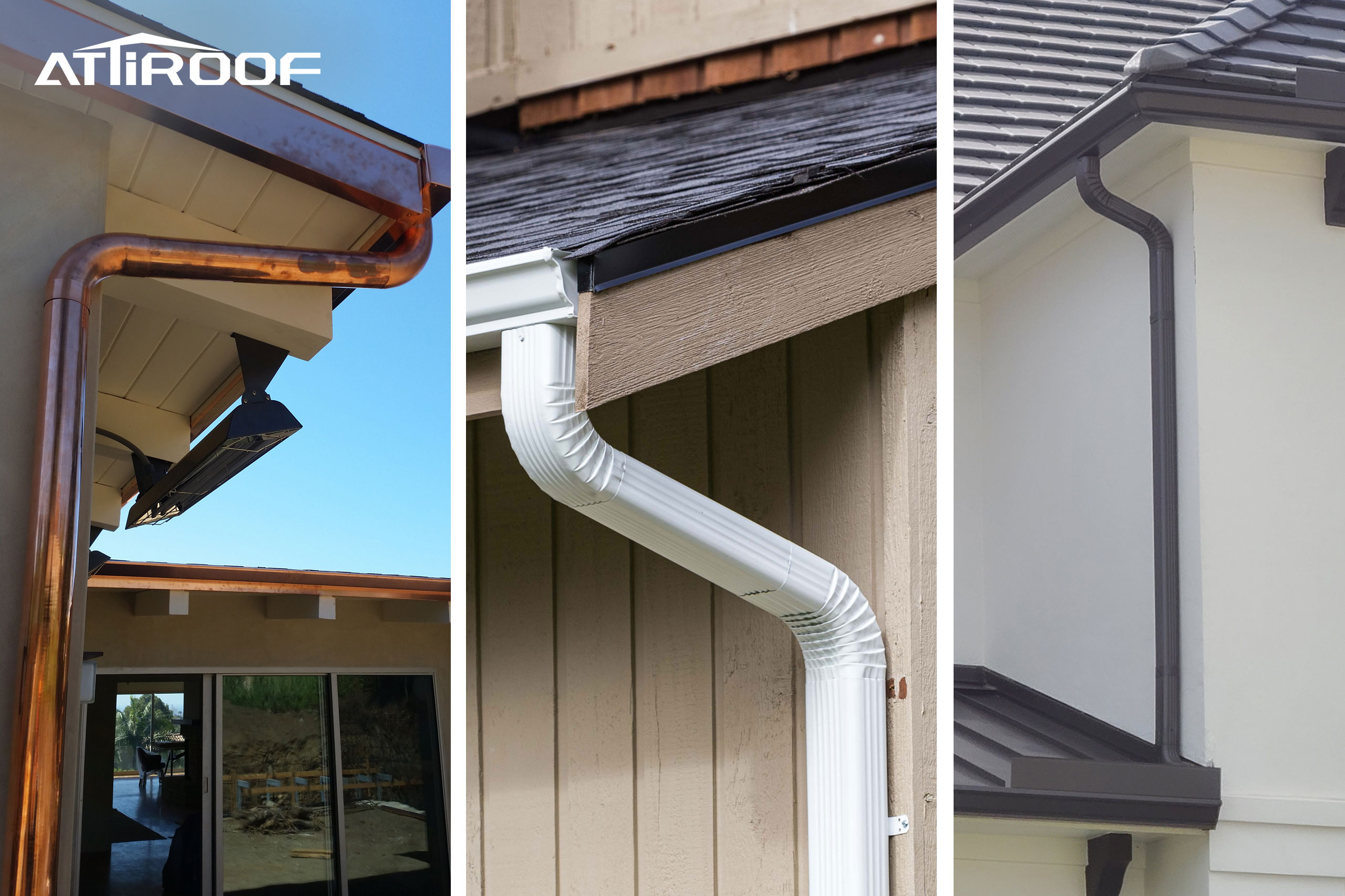
Los sistemas de canalones son un componente esencial de la cubierta, fundamentales para mantener la integridad y funcionalidad de cualquier estructura edilicia. Diseñados para controlar el flujo del agua de lluvia, estos sistemas son cruciales para proteger tanto el techo como los cimientos del edificio de los daños causados por el agua.
Función y Composición:
Un sistema de canalones se compone principalmente de canalones y bajantes. Los canalones, que suelen ser canales horizontales, se instalan a lo largo de los bordes del techo para recolectar el agua de lluvia. Esta agua es luego dirigida hacia los bajantes, que la conducen de manera segura lejos de los cimientos del edificio.
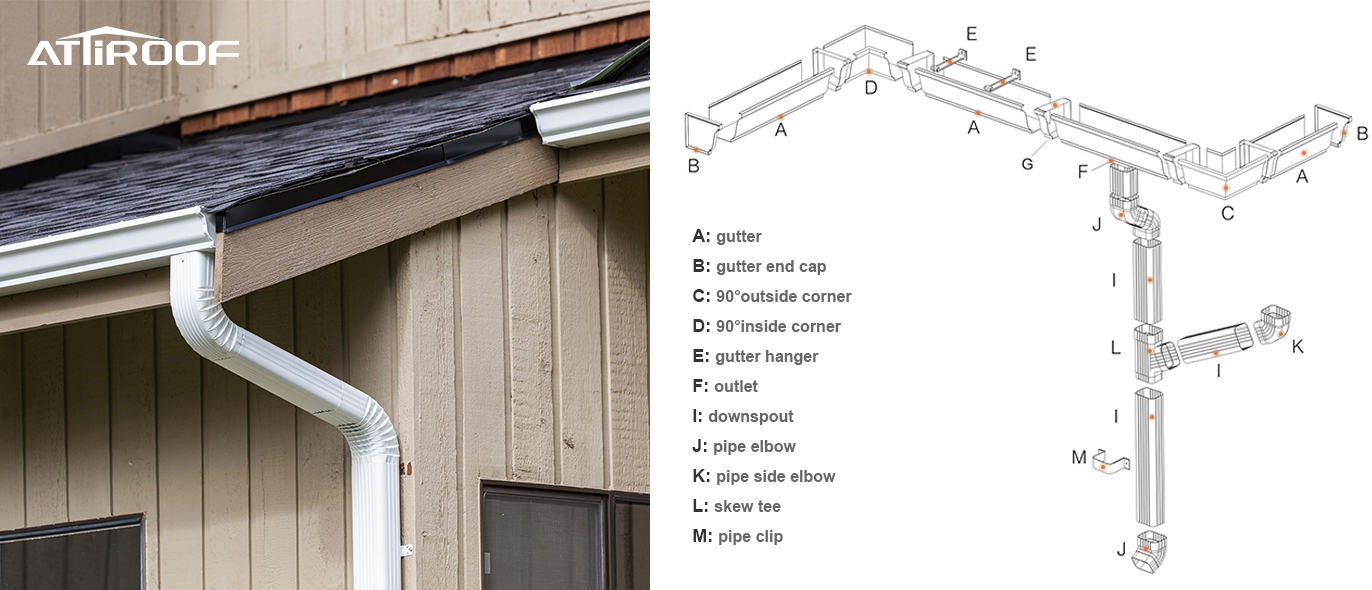
Materiales y Variedades:
Se utilizan diversos materiales en la fabricación de canalones, como aluminio, vinilo, acero y cobre, cada uno de los cuales ofrece ventajas únicas en cuanto a durabilidad, costo y apariencia. La elección del material suele depender del clima, el estilo arquitectónico y los requisitos específicos de la cubierta.
Personalización para la Eficiencia:
La personalización de los canalones es fundamental para garantizar que funcionen de manera eficiente con el diseño del techo y las condiciones climáticas locales. El tamaño y el estilo del sistema de canalones deben elegirse en función de las dimensiones del techo y la precipitación promedio de la zona.
Importancia de la Instalación y el Mantenimiento:
La correcta instalación y el mantenimiento regular de los sistemas de canalones son clave para su eficacia. Los canalones instalados correctamente y bien mantenidos protegen la cubierta y la estructura del edificio al garantizar un flujo óptimo del agua, evitando así filtraciones y reduciendo el riesgo de daños por humedad.
Comprender estos aspectos básicos de los sistemas de canalones subraya su importancia para preservar la longevidad y el atractivo estético de un edificio, convirtiéndolos no solo en un accesorio, sino en una parte vital de la arquitectura del techo.
El Papel de los Canalones en la Protección del Techo y la Gestión del Agua
1. Protección contra Daños por Agua:
La función principal de los canalones es dirigir el agua de lluvia lejos del edificio, evitando la acumulación de agua que puede causar inundaciones en sótanos, erosión del suelo y daños estructurales en los cimientos.
2. Mantenimiento de la Integridad del Techo:
Los canalones son esenciales para evitar que el agua se estanque en el techo, lo que puede dañar los materiales de la cubierta, provocar filtraciones y crear problemas como moho y pudrición, especialmente en áreas vulnerables del tejado.
3. Preservación del Suelo y el Paisajismo:
Una gestión eficaz del agua a través de los canalones también incluye la protección del paisajismo de la propiedad. Los canalones ayudan a prevenir la erosión del suelo alrededor del edificio, manteniendo así la integridad estética y estructural del entorno.
4. Mejora de la Longevidad del Techo:
Un sistema de canalones que funcione correctamente contribuye a la longevidad del techo al garantizar que el agua se desvíe de manera eficiente. Esto ayuda a mantener la cubierta en buen estado, reduciendo la necesidad de reparaciones y reemplazos frecuentes.
En esencia, los canalones son indispensables para la gestión eficaz del agua de lluvia, desempeñando un papel fundamental en la protección del techo y de todo el edificio contra los daños causados por el agua. Su correcta instalación y mantenimiento son clave para garantizar la longevidad y funcionalidad de los sistemas de cubierta.
A la hora de proteger su hogar de las inclemencias climáticas, la elección del sistema de canalones adecuado es tan crucial como la selección del material de la cubierta. Aquí en Attiroof, entendemos que la variedad de sistemas de canalones puede resultar abrumadora, por lo que hemos preparado esta sección para guiarle a través de los diferentes tipos disponibles y cómo seleccionar el que mejor se adapte a sus necesidades. Desde los canalones continuos hasta los seccionales, y desde el vinilo hasta el cobre, cada tipo de canalón tiene características y beneficios únicos. Profundizaremos en los detalles de cada uno, ayudándole a tomar una decisión informada que complemente su tejado y brinde una protección óptima a su hogar.
Canalones Continuos (Seamless Gutters)
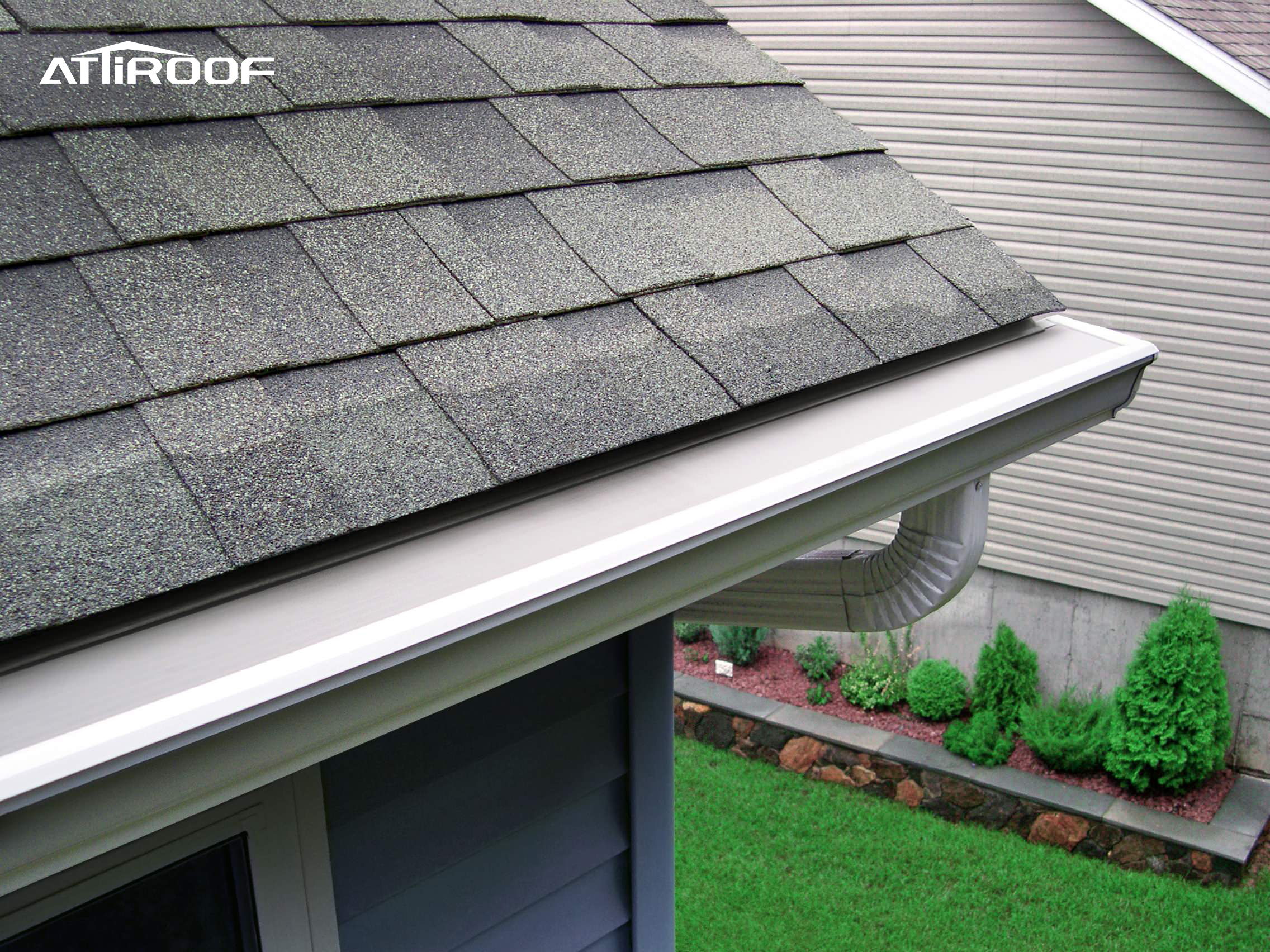
Los canalones continuos son una opción popular entre los propietarios de viviendas por su eficiencia y atractivo estético. A diferencia de los canalones seccionales, que se componen de múltiples piezas unidas, los canalones continuos están fabricados de una sola pieza de material, típicamente cortada a la medida en el sitio utilizando una máquina especial.
Ventajas de los Canalones Continuos:
1. Menos Filtraciones: Al no tener uniones excepto en las esquinas y bajantes, los canalones continuos son menos propensos a fugas. Esto los hace altamente eficientes para canalizar el agua lejos de su hogar.
2. Ajuste Personalizado: Al ser fabricados a medida para adaptarse a cada vivienda, los canalones continuos ofrecen un ajuste preciso y compacto que mejora su rendimiento y longevidad.
3. Mantenimiento: Con menos juntas, los canalones continuos tienen menor tendencia a acumular residuos, por lo que son más fáciles de limpiar y mantener.
4. Atractivo Estético: Los canalones continuos proporcionan un aspecto suave y uniforme a los bordes del techo, lo que muchos propietarios consideran visualmente atractivo.
5. Opciones de Material: Están disponibles en diversos materiales como el aluminio (ligero y resistente a la corrosión) y el cobre (conocido por su durabilidad y apariencia única).
Al considerar los canalones continuos para su hogar, especialmente en combinación con Attiroof’s roofing solutions,
es importante sopesar estas ventajas frente a factores como el costo y los requisitos de instalación. Aunque pueden tener un costo inicial más alto que los canalones seccionales, su durabilidad y menores necesidades de mantenimiento pueden convertirlos en una opción rentable a largo plazo.
Canalones Seccionales
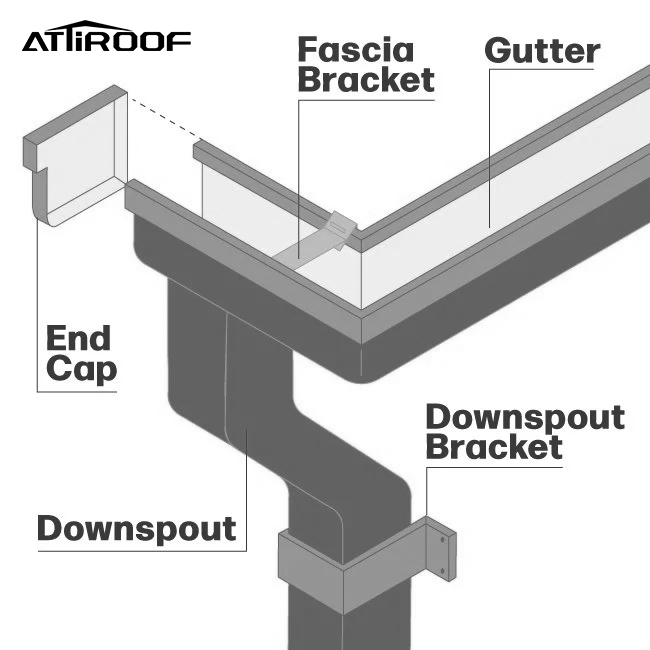
¿Qué son los Canalones Seccionales?
Los canalones seccionales están compuestos por secciones más pequeñas de canalización, generalmente con longitudes de 3 a 6 metros (10 a 20 pies), que se unen durante la instalación. Este diseño permite un enfoque personalizable para adaptarse a las dimensiones específicas de la línea del techo de un edificio.
Ventajas de los Canalones Seccionales:
1. Rentabilidad: Una de las principales ventajas de los canalones seccionales es su asequibilidad. Su naturaleza segmentada los hace más económicos que otros tipos, especialmente en términos de costos iniciales de instalación.
2. Facilidad de Instalación: Los canalones seccionales son generalmente más fáciles de instalar. Su diseño modular permite ajustes y modificaciones en el lugar, lo que los convierte en una opción popular para entusiastas del bricolaje o cuando se necesita una instalación rápida.
3. Disponibilidad y Variedad: Estos canalones están ampliamente disponibles en una variedad de materiales, incluyendo vinilo, aluminio y acero. Cada material ofrece diferentes beneficios en cuanto a peso, durabilidad y resistencia a las condiciones climáticas.
Consideraciones sobre los Canalones Seccionales:
1. Juntas y Filtraciones: La principal desventaja de los canalones seccionales es la presencia de juntas, que pueden convertirse en puntos potenciales de fugas. El mantenimiento y la inspección regulares son cruciales para garantizar que los sellos entre secciones permanezcan intactos.
2. Estética:Si bien los canalones seccionales ofrecen beneficios funcionales, pueden carecer de la apariencia continua de otros tipos de canalones. Sin embargo, con la variedad de materiales y colores disponibles, aún pueden ser una opción visualmente atractiva para muchas viviendas.
Al elegir canalones seccionales, especialmente para viviendas con Attiroof's roofing materials, es importante considerar factores como el clima local, el estilo arquitectónico de su hogar y el compromiso de mantenimiento a largo plazo. Si bien ofrecen una solución económica y flexible, la necesidad de un mantenimiento regular y el potencial de filtraciones son aspectos importantes a sopesar en su proceso de toma de decisiones.
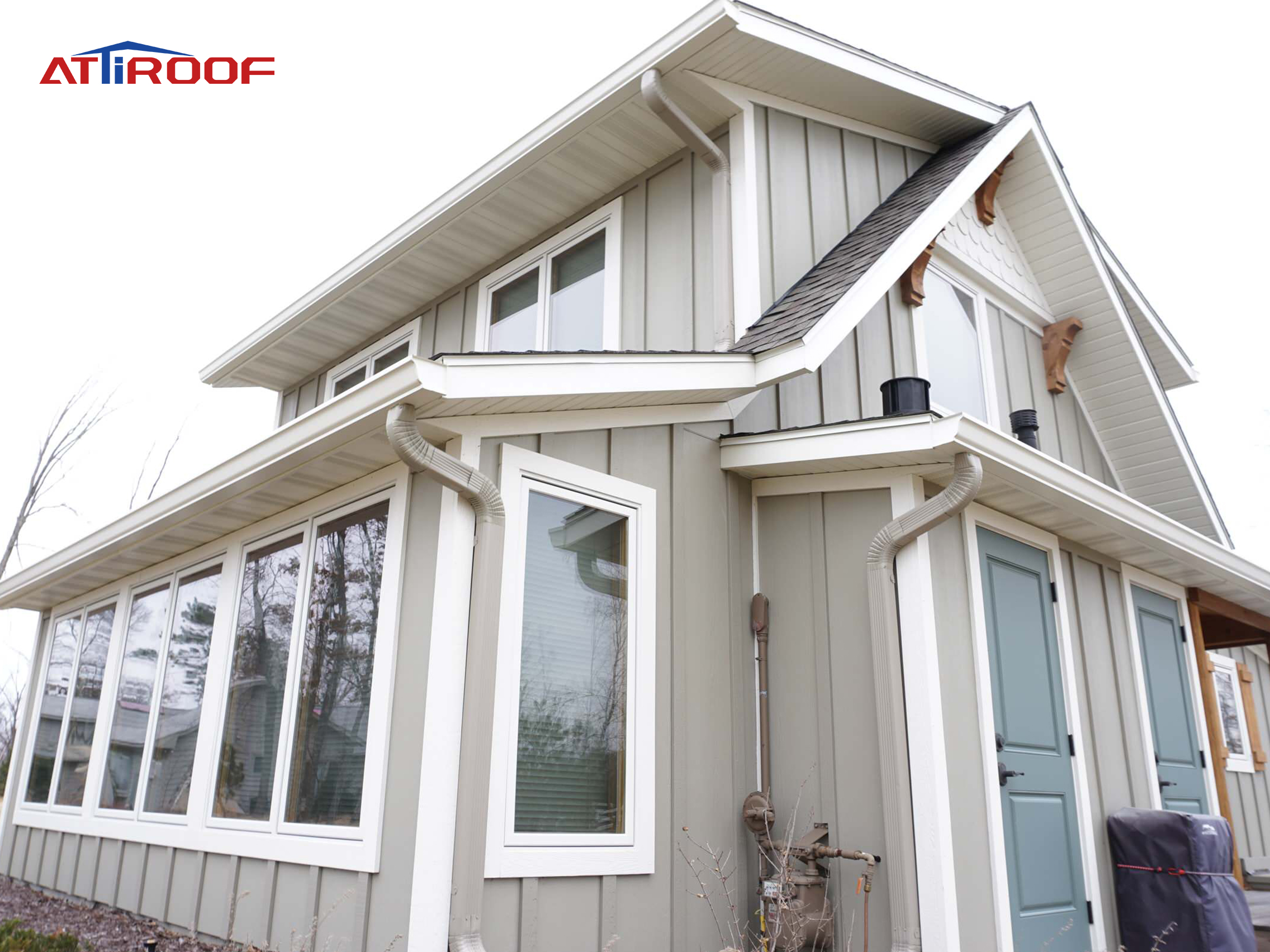
Canalones de Estilo K
Como parte integral del panorama de sistemas de cubierta, los canalones de estilo K son una opción popular entre los propietarios de viviendas, y en Attiroof comprendemos su atractivo y funcionalidad. Los canalones de estilo K, llamados así por su perfil que se asemeja a la letra "K" al verlos de lado, ofrecen beneficios tanto estéticos como prácticos.
Características de los Canalones de Estilo K:
1. Diseño y Apariencia: La forma distintiva de los canalones de estilo K, con fondo y parte posterior planos, y un frente decorativo que a menudo imita el moldeado de cornisa, complementa el estilo arquitectónico de muchas viviendas modernas. Este aspecto decorativo los convierte en una opción preferida para quienes buscan añadir un toque de elegancia al exterior de su hogar.
2. Eficiencia en la Gestión del Agua: El diseño de los canalones de estilo K no es solo estético; también mejora su funcionalidad. Su forma permite canalizar y drenar más agua en comparación con los canalones de medio caño del mismo ancho, lo que los hace altamente eficientes, especialmente en áreas con lluvias intensas.
3. Durabilidad y Estabilidad: Gracias a sus fondos y partes posteriores planos, los canalones de estilo K son más fáciles de fijar a la tabla de la fascia, lo que aumenta su estabilidad y durabilidad. Esta característica de diseño los hace menos propensos a doblarse o deformarse al ser golpeados por escaleras o ramas caídas.
Opciones de Material para Canalones de Estilo K:
Los canalones de estilo K están disponibles en diversos materiales, incluyendo aluminio (ligero y resistente a la oxidación, lo que lo convierte en una opción popular). Para quienes buscan mayor durabilidad y un aspecto distintivo, también existen opciones en cobre y acero. Cada material tiene sus ventajas y desventajas en términos de longevidad, mantenimiento y costo.
Consideraciones de Instalación:
Aunque los canalones de estilo K pueden ser más difíciles de instalar que los de medio caño debido a su forma única, están disponibles en versiones continuas y seccionales, lo que ofrece flexibilidad durante la instalación.
La elección entre continuo y seccional dependerá de necesidades específicas, como la longitud requerida del canalón y el presupuesto disponible.
En conclusión, los canalones de estilo K son una excelente opción para propietarios que buscan una combinación de atractivo estético y eficiencia funcional. Su diseño los convierte en una alternativa versátil, adecuada para diversos tipos de viviendas, incluidas aquellas equipadas con Attiroof’s roofing solutions.
Al seleccionar canalones de estilo K, considere el material y el tipo de instalación que mejor se alineen con el estilo arquitectónico de su hogar y sus necesidades específicas de gestión climática.
Canalones de Medio Caño
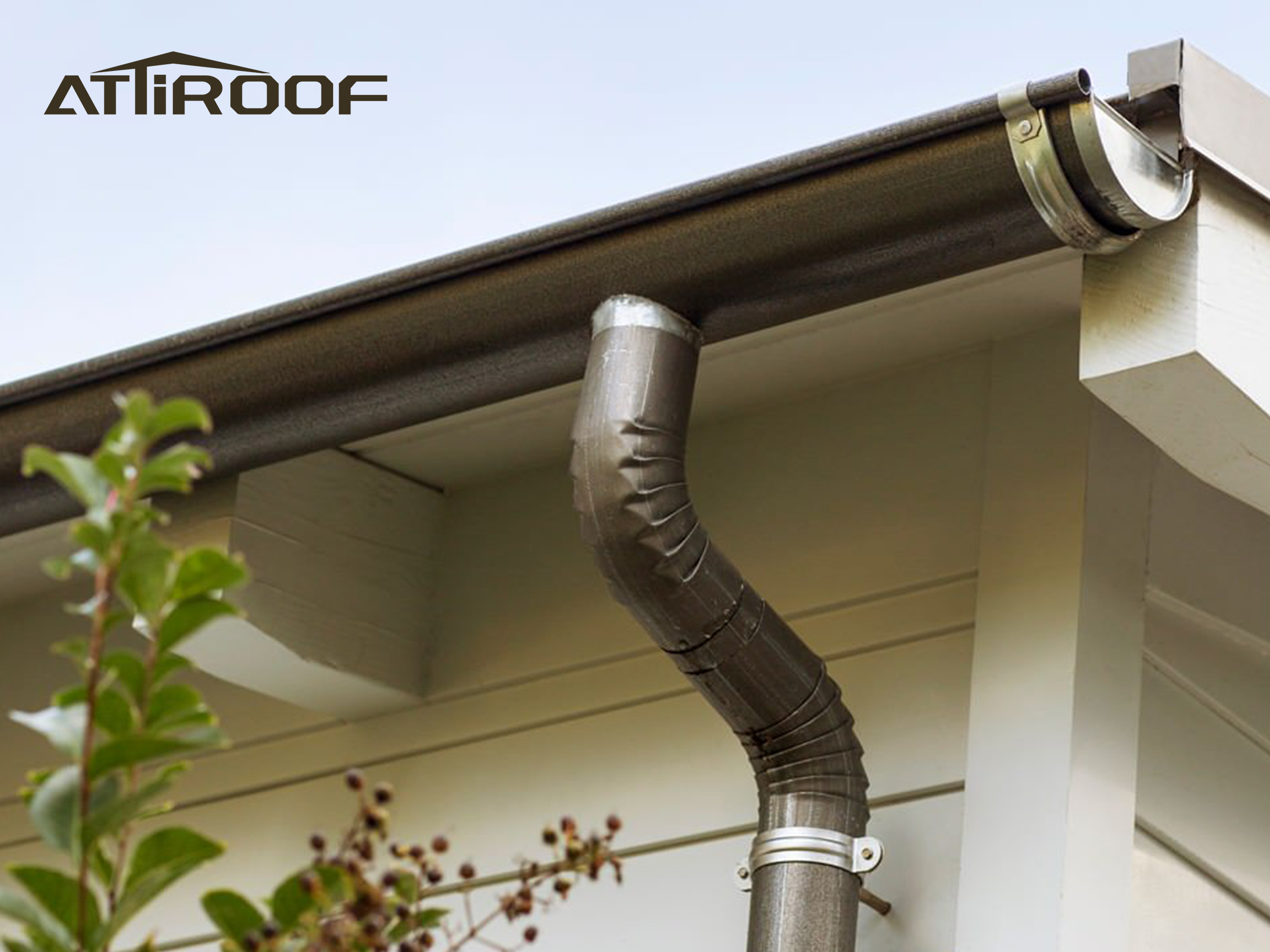
Distinctive Features of Half-Round Gutters:
●Classic Design: Half-round gutters, as the name suggests, are shaped like a half-circle, providing a smooth, curved profile. This classic design is particularly complementary to older, historic homes or properties where a traditional appearance is desired.
●Efficient Water Flow: The smooth, rounded shape of these gutters allows for easier and more efficient water flow compared to more angular styles. This design reduces the likelihood of water pooling and debris accumulation, leading to fewer clogs and easier maintenance.
Material Varieties in Half-Round Gutters:
●Material Options: Half-round gutters are available in various materials, including copper, aluminum, and galvanized steel. Copper half-round gutters offer a distinguished look and exceptional durability, aging gracefully over time to develop a unique patina.
●Aluminum and Steel Choices: Aluminum options provide lightweight durability and rust resistance, while galvanized steel is known for its strength and resistance to damage.
Installation and Maintenance Considerations:
●Installation Process: While the installation of half-round gutters can be more complex due to their shape and the need for specialized brackets, the end result is often worth the effort for the right property. They are typically installed using hidden hangers or exposed brackets, depending on the desired aesthetic.
●Maintenance Requirements: The curved design of half-round gutters makes them less prone to corrosion and buildup, but regular cleaning and inspection are still essential to maintain their efficiency and longevity.
Half-round gutters offer an elegant solution for homeowners looking to blend traditional style with effective roof water management. Their compatibility with a variety of roofing materials, including those offered by Attiroof, makes them a versatile option for many homes. When selecting half-round gutters, consider factors like architectural style, material preferences, and maintenance commitment to ensure they align with your overall roofing system needs.
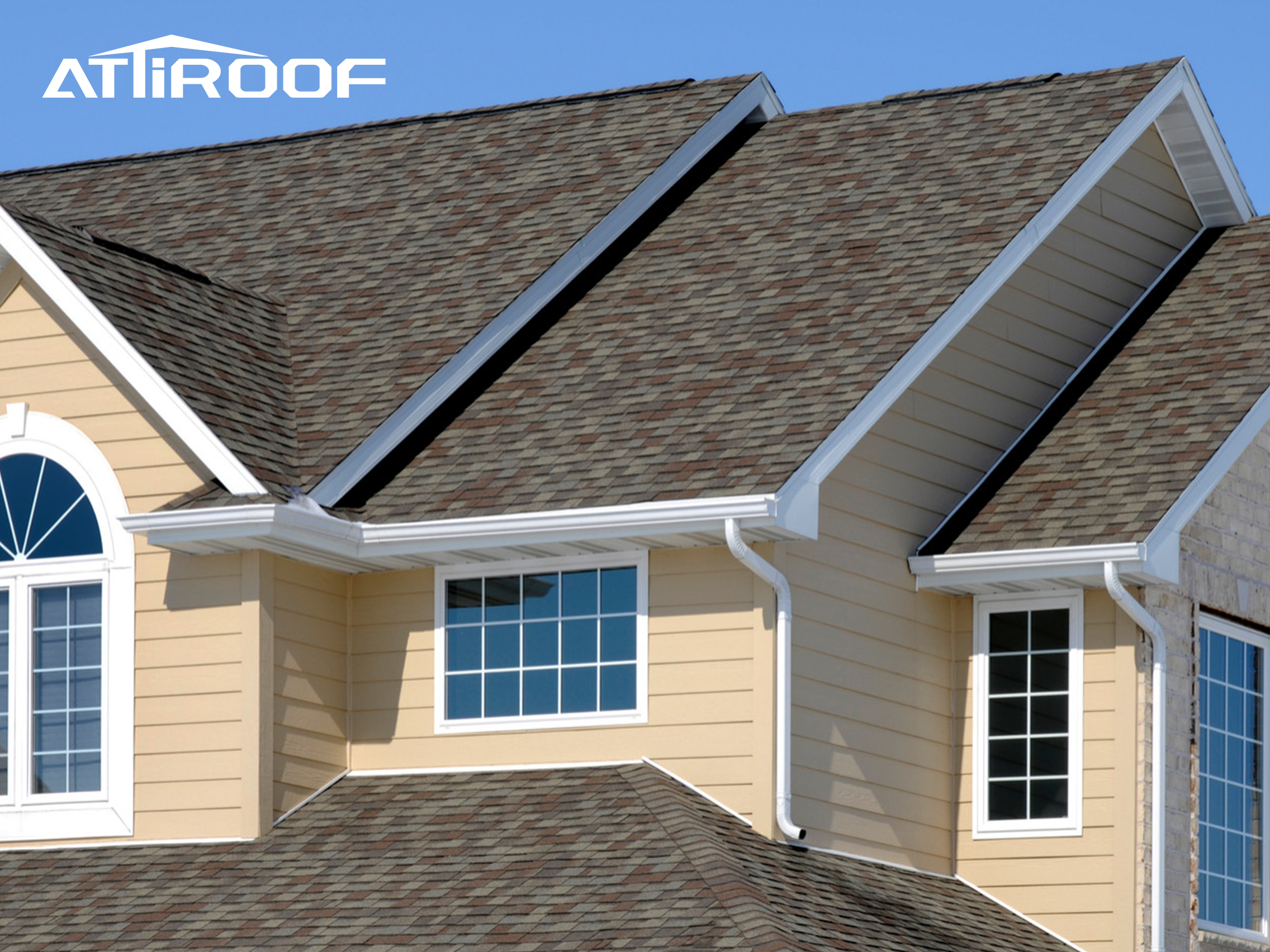
Canales de aluminio
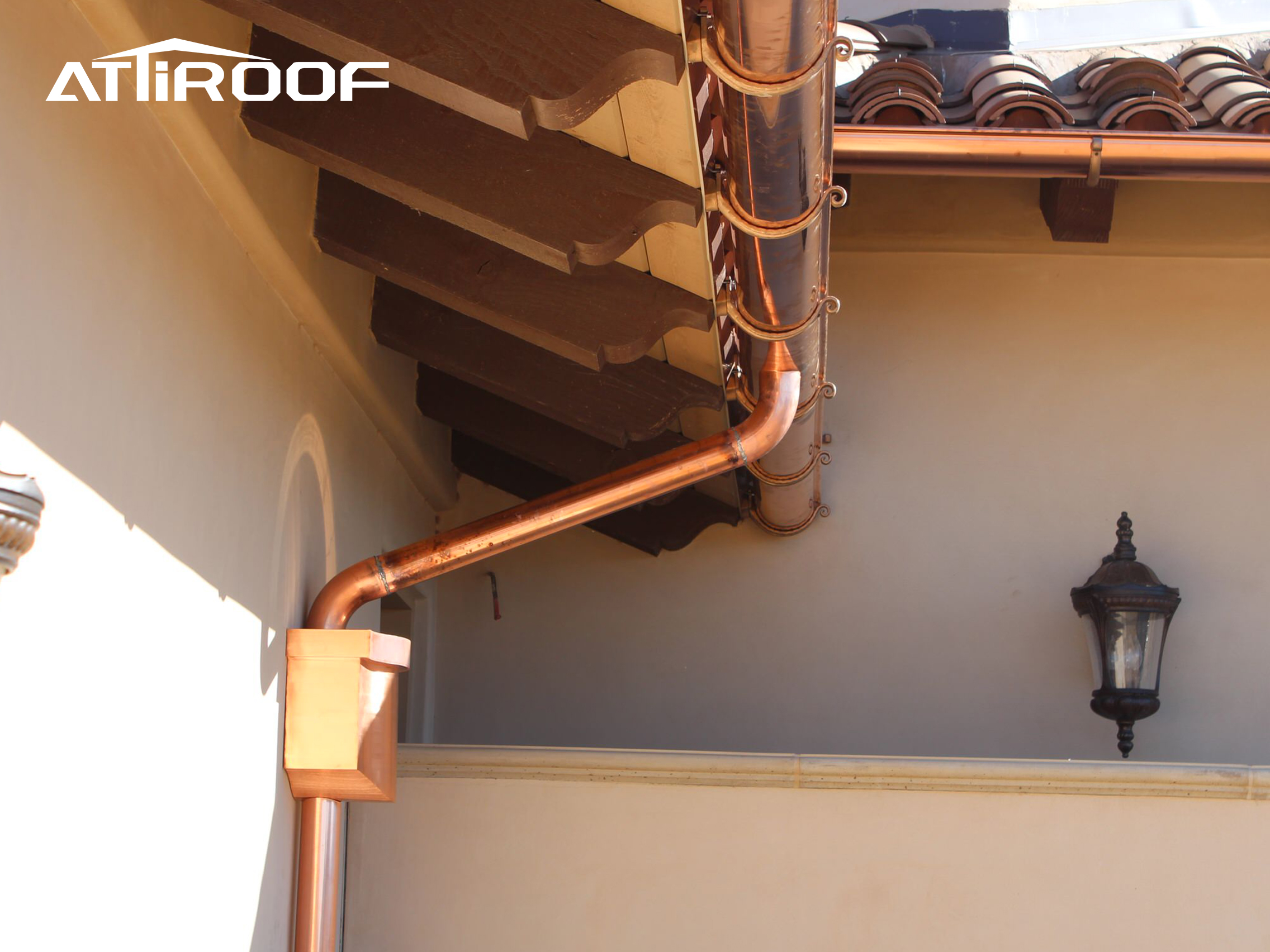
Las canaletas de aluminio son una opción muy popular en el ámbito de los sistemas de canaletas, y en Attiroof, reconocemos sus ventajas significativas para una amplia gama de necesidades de cubiertas. Las canaletas de aluminio ofrecen una combinación de durabilidad, asequiy versati, lo que las convierte en una excelente opción para muchos propietarios.
Características principales de las canaletas de aluminio:
●Durabilidad: una de las características más notables de canaletas de aluminio es su durabilidad. Son resistentes a la oxidación y la corrosión, lo que las hace una opción ideal en varios climas, incluyendo aquellos con altas lluvias o humedad.
●Ligero: el aluminio es un material ligero, lo que hace que estos canalones sean más fáciles de manejar e instalar. Esta propiedad también pone menos tensión en el techo y la fascia a la que están Unidos.
●Personalización y variedad: las canaletas de aluminio vienen en una variedad de colores y se pueden pintar, ofreciendo a los propietarios la flexibilidad de combinar su sistema de canaletas con el exterior de su casa. Están disponibles en varios estilos, incluyendo K-style y half-round, y pueden ser personalizados como canaletas sin costuras.
Ventajas de las canaletas de aluminio:
●Rentabilidad: en comparación con otros materiales como el cobre o el acero, las canaletas de aluminio son más rentables, ofreciendo un equilibrio entre calidad y accesibilidad económica.
●Bajo mantenimiento: estos canalones requieren un mantenimiento mínimo. No se oxi, y su color se mantiene bien con el tiempo, lo que significa una pintura o acabado menos frecuente.
●Longevidad: con una instalación adecuada y un mantenimiento ocasional, las canaletas de aluminio pueden durar muchos años, lo que las convierte en una inversión a largo plazo para su hogar.
Consideraciones para elegir canaletas de aluminio:
●Idoneipara varios tipos de tej: canaletas de aluminio son compatibles con una amplia gama de materiales y estilos de tej, incluyendo las diversas ofertas de Attiroof.
●Compatibilidad climática: si bien son resistentes a la oxidación y la corrosión, es importante tener en cuenta el clima local, ya que las condiciones climáticas extremas pueden afectar a su longevidad.
●Instalación y asistencia profesional: aunque las canaletas de aluminio pueden ser un proyecto de bricolaje debido a su naturaleza ligera, se recomienda la instalación profesional para asegurarse de que están bien instaladas y aseguradas, especialmente para opciones sin costuras.
En conclusión, las canaletas de aluminio son una excelente opción general para la mayoría de los hogares. Proporcionan una solución práctica, duradera y estéticamente agradable para la gestión eficaz del agua en los sistemas de cubiertas. Cuando se combina con los productos para techos de Attiroof, contribuyen a una solución integral y coherente de tech, mejorando tanto la funcionalidad como el atractivo de su hogar.
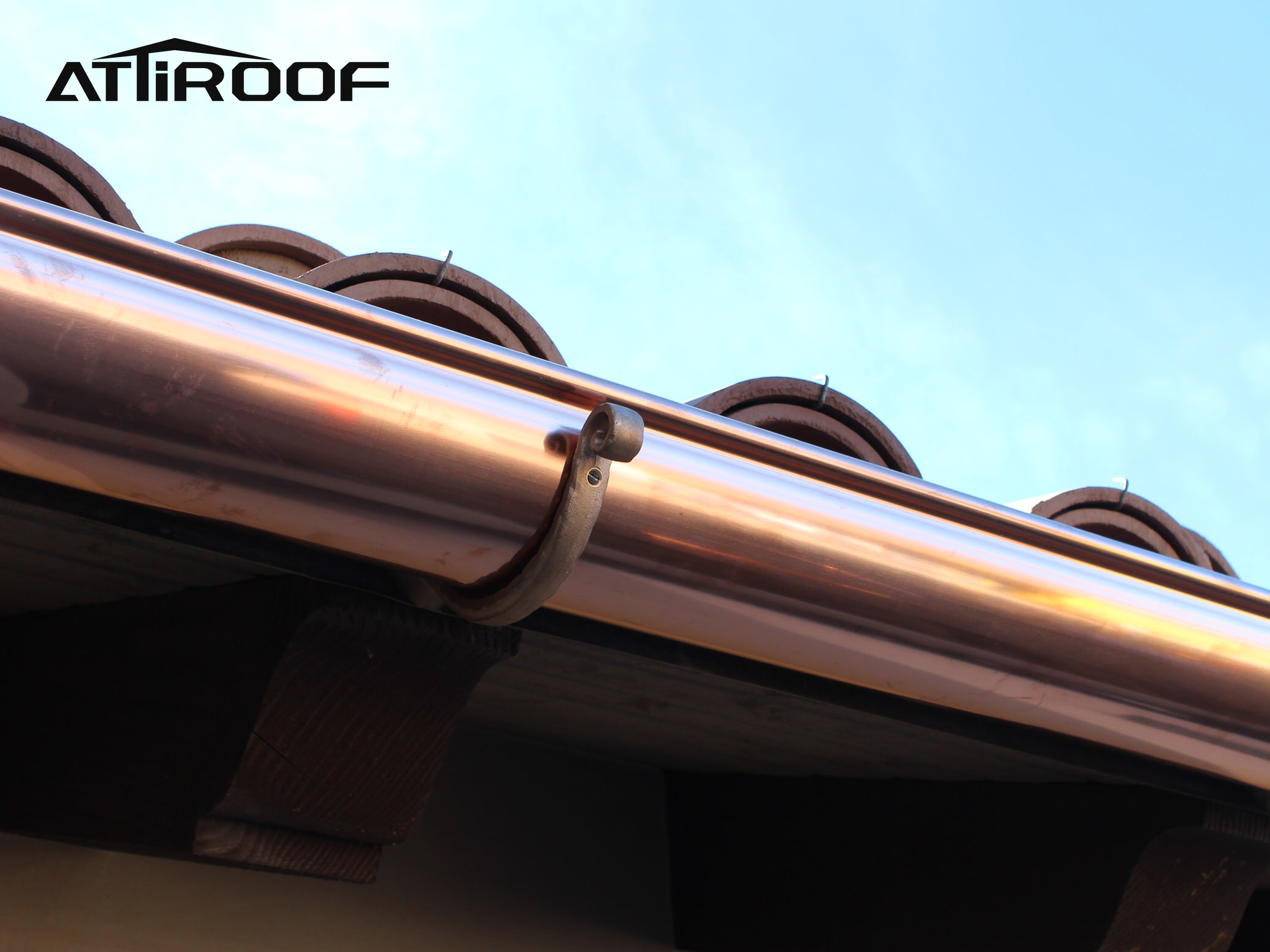
Las canaletas de cobre son una opción premium en el mercado del sistema de canaletas y, en Attiroof, apreciamos su mezcla única de atractivo estético y durabilidad de larga duración. Ideales para propietarios que buscan una mezcla de elegancia y rendimiento, las canaletas de cobre ofrecen ventajas distinque los distinguen en la industria de los techos.
Características únicas de las canaletas de cobre:
●Atractivo estético: los canales de cobre son famosos por su llamativo atractivo visual. Con el tiempo, desarrollan una pátina, la transición de su tono metálico brillante original a un color verde-azul distintivo. Este proceso natural de envejecimiento añade un toque de elegancia y encanto históDurabilidad y resistencia: el cobre es extremadamente duradero, por lo que es un excelente material para canalones. Resiste las duras condiciones climáticas, es resistente a la corrosión y no se oxi. Esta resistencia se traduce en una vida útil más larga, a menudo sobreviviendo a los materiales de los techos a los que están Unidos.
●Durabilidad y resistencia: el cobre es extremadamente duradero, por lo que es un excelente material para canalones. Resiste las duras condiciones climáticas, es resistente a la corrosión y no se oxi. Esta resistencia se traduce en una vida útil más larga, a menudo sobreviviendo a los materiales de los techos a los que están Unidos.
●Bajo mantenimiento: las canaletas de cobre requieren un mantenimiento mínimo. Su resistencia a la oxidación y corrosión significa que necesitan una limpieza y reparación menos frecuentes, por lo que son una opción conveniente para muchos propietarios.
Ventajas de las canaletas de cobre:
●Aumento del valor de la vivienda: la instalación de canaletas de cobre puede aumentar el valor de una propiedad debido a su longevidad y aspecto atempor. A menudo son buscdespués en las construcciones de viviendas de alta gama y renovaciones.
●Material ecológico: el cobre es una opción sostenible; Es 100% reciclable, por lo que es una opción ecológica para los sistemas de alcantar.
●Versatien el diseño: las canaletas de cobre encajan bien con una variedad de estilos arquitectónicos, desde el tradicional hasta el contemporáneo, mejorando la estética general de un edificio.
Consideraciones para canalizaciones de cobre:
●Inversión inicial: mientras que las canaletas de cobre ofrecen numerosos beneficios, son más caras por adelantado en comparación con materiales como el aluminio o el vinilo. Sin embargo, su longevidad y bajas necesidades de mantenimiento pueden hacerlos rentables en el tiempo.
●Instalación profesional requerida: para garantizar el máximo rendimiento y atractivo estético, se recomienda la instalación profesional de canaletas de cobre. La instalación adecuada es crucial para evitar problemas potenciales como fugas de costura o drenaje inadecuado.
En resumen, las canaletas de cobre son una excelente inversión para quienes buscan una combinación de belleza, durabilidad y eco-respeto. Su aspecto elegante y rendimiento robusto los convierten en una excelente opción para los propietarios que quieren combinar sus soluciones de techattiroof con un sistema de canaletas que se destaca tanto en funcionalidad como en estilo. Mientras que el costo inicial puede ser más alto, los beneficios a largo plazo y la apariencia distinhacen canaletas de cobre una adición que vale la pena para cualquier hogar.
Canales de acero
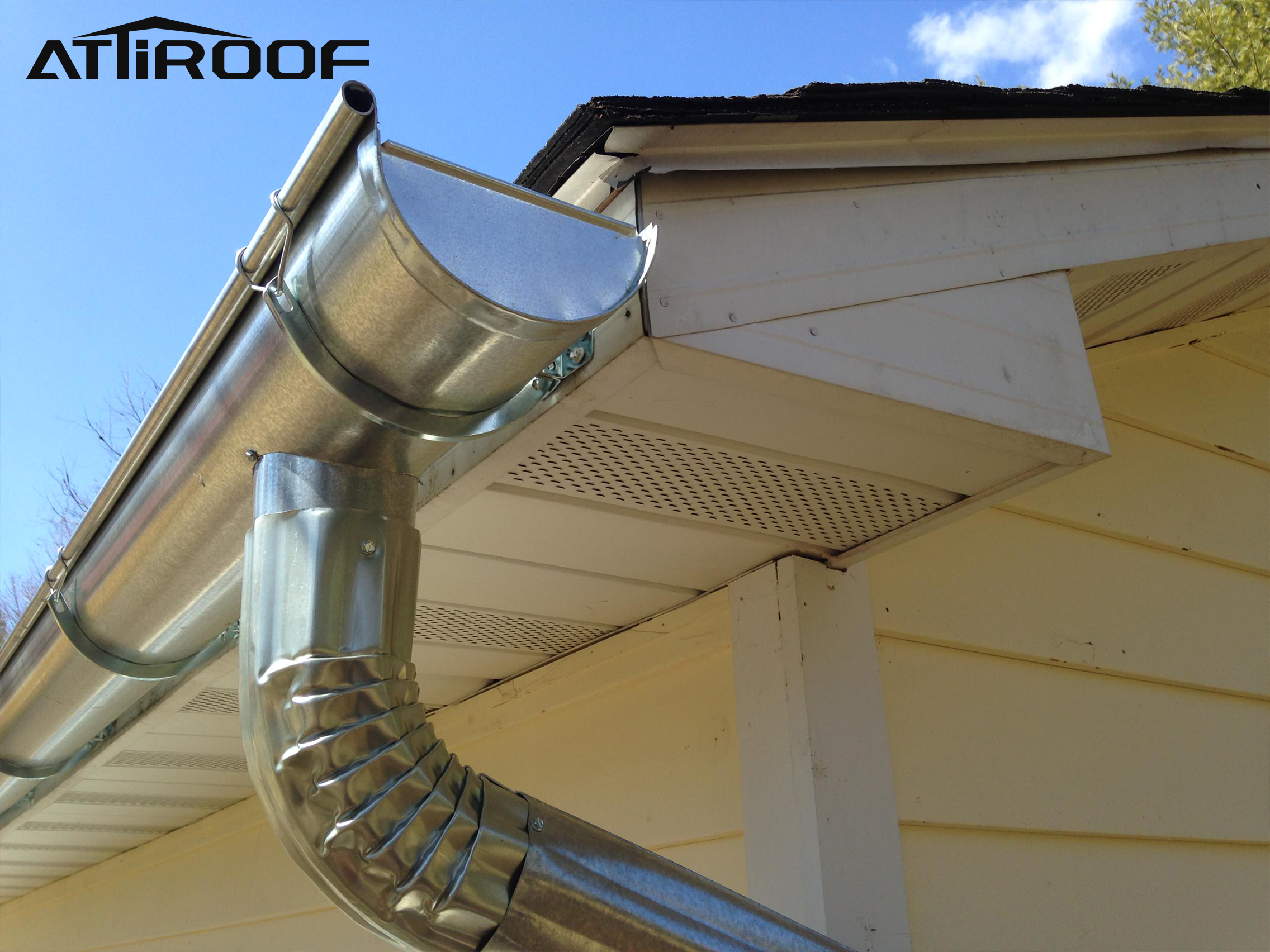
Las canaletas de acero son un testimonio de la durabilidad y la integridad estructural en el ámbito de las soluciones para techos. Reconociendo el papel esencial que un sistema de canaletas robusto juega en la protección de la estructura de una casa, Attiroof se compromete a ofrecer canaletas de acero que combinan confiabilidad con adaptabilidad de diseño. Estos canales no sólo son reconocidos por su fuerza sustancial, sino también por su capacidad para combinar a la perfección con diversas estéticas arquitectó, proporcionando una solución que es tan atractivo visualmente como es funcionalmente estable.
Características distinde los canales de acero:
●Durabilidad sin igual: fabricadas en acero de alta calidad, estas canaletas cuentan con una vida útil impresionante, a menudo superior a varias décadas. Un estudio de la asociación nacional de constructores de viviendas afirma que las canaletas de acero pueden durar hasta 50 años, sujeto A un mantenimiento adecuado, subraysu durabilidad y resistencia contra el desgaste.
●Resistencia a la corrosión: las innovaciones en la ciencia de materiales han llevado a la llegada de canaletas de acero inoxidable y galvani, que están recubierpara defenderse de la oxidación y la corrosión. Esta capa protectora garantiza la longevidad y conserva el atractivo estético de los canalones, incluso en condiciones climáticas adversas.
●Flexibilidad estética: las canaleras de acero no solo funcionan bien; Se ven muy bien también. Disponibles en una gran cantidad de colores y acabados, que se pueden adaptar para complementar el exterior de su casa, añadiendo un toque de sofistica su atractivo acera general.
Ventajas de optar por canaletas de acero:
●Rentabilidad a largo plazo: si bien la inversión inicial puede ser mayor que para otros materiales, la longevidad y el mantenimiento mínimo de las canaletas de acero las convierten en una opción rentable en el tiempo. Su solidez se traduce en menos reemplazos y reparaciones, lo que en última instancia ahorra dinero a los propietarios de viviendas.
●Protección Superior del hogar: según la sociedad americana de los inspectores del hogar, las cuentas del daño del agua para un porcentaje significativo de demandas del seguro casero. Las canaleras de acero ofrecen una protección robusta canalizando el agua de manera eficiente, protesu hogar contra posibles daños relacionados con el agua.
●Elección sostenible: el acero es 100% reciclable, por lo que es una opción respetuosa con el medio ambiente. La elección de canaleras de acero se alinecon las prácticas de vida sostenible, reduciendo la huella de carbono y contribuyendo positivamente a la conservación del medio ambiente.
Consideraciones para instalar canaletas de acero:
●Peso e instalación: las canaletas de acero son más pesadas, lo que requiere una instalación profesional para asegurar que estén bien ancladas. Esto no sólo garantiza un rendimiento óptimo, sino que también protege contra posibles problemas estructurales.
●Mantenimiento: mientras que las canaletas de acero son de bajo mantenimiento, se recomiendan revisiones regulares. Un informe de la asociación internacional de inspectores de hogares certificados (International Association of Certified Home Inspection) recomienda la limpieza e inspección bianual del canal para prevenir la obstrucción y asegurar un flujo de agua eficiente.
En esencia, los canales de acero representan una fusión de funcionalidad, durabilidad y estilo, lo que los convierte en una elección ejemplar para los propietarios más exigentes. En Attiroof, nos enorgullecemos de ofrecer soluciones que protegen, soportan y mejoran el valor estético de su hogar. Al elegir canales de acero, no sólo está instalando un sistema de canales; Usted está invirtiendo en la tranquilidad y el bienestar a largo plazo de su hogar.
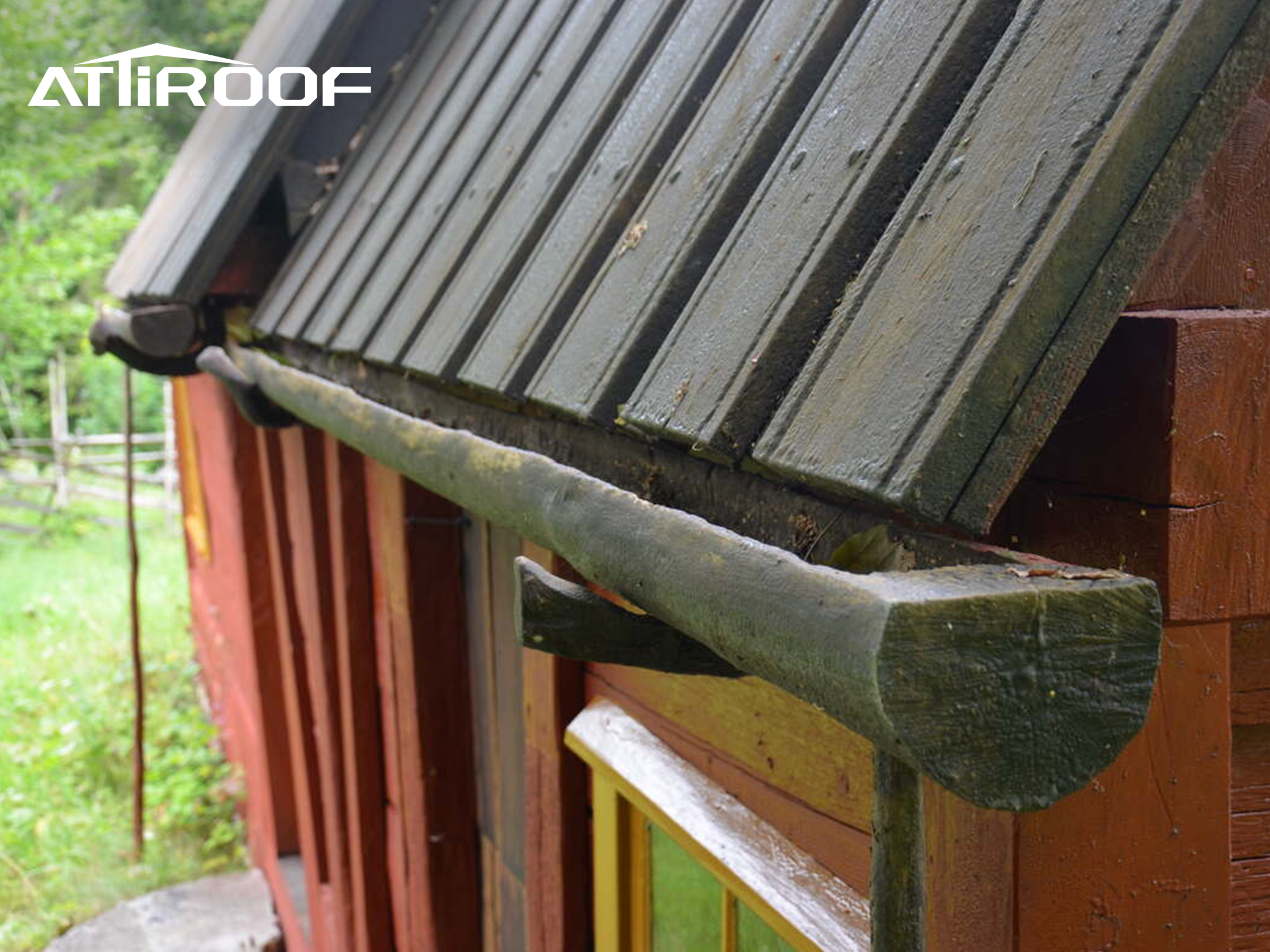
Las canaleras de madera presentan una estética clásica y tradicional, ofreciendo un encanto natural difícil de repliccon materiales modernos. En Attiroof, entendemos que para algunos propietarios, la autenticidad y el atractivo rúsde las canaletas de madera los hacen una opción preferida, especialmente para casas o estructuras históricas que buscan mantener una apariencia específica de un período.
Las características distinde las canaletas de madera:
●Estética Natural: los canales de madera aportan una elegancia atempora a cualquier propiedad. Se combinan perfectamente con el entorno natural y son especialmente adecuados para casas de estilo histórico o tradicional, donde el mantenimiento de la integridad arquitectónica es crucial.
●Artesanía personalizada: Acada canalde de madera es un testimonio de artesanía experta. A diferencia de los sistemas de canaletas producidos en masa, las canaletas de madera se pueden adaptar a dimensiones y formas específicas, ofreciendo una solución a medida que se suma a la singularidad de una propiedad.
●Propiedades aislantes: la madera tiene naturalmente propiedades aislantes, contribuyendo potencialmente a una temperatura más estable cerca de la línea del tejy reduciendo la probabilidad de formación de presas de hielo en climas más fríos.
Ventajas de optar por canaletas de madera:
●Armonía estética: para las casas con elementos arquitectónicos de madera, las canaletas de madera garantizan un aspecto armoni, preservando la apariencia cohede de la propiedad y mejorando potencialmente su valor de mercado.
●Material respetuoso con el medio ambiente: la madera es un recurso renovable, y para aquellos que son conscientes de su huella ambiental, los canalones de madera pueden ser una opción sostenible, especialmente si se obtienen de bosques gestionados de manera responsable.
Consideraciones para instalar canaletas de madera:
●Mantenimiento Regular requerido: canalones de madera requieren un mantenimiento diligente. Necesitan ser limpiados, tratados e inspeccionados regularmente para prevenir la pudrición, el moho o el daño causado por el agua. Un mantenimiento adecuado puede prolongar significativamente la vida útil de los canalones de madera, pero requiere un compromiso por parte del propietario.
●Susceptibility to Elements: Although wood can be treated to resist water and pests, it is inherently more susceptible to the elements than metal or synthetic options. This susceptibility means that without regular upkeep, wood gutters can deteriorate more quickly.
●Instalación profesional recomendada: la instalación de canaletas de madera es una tarea de mucha habilidad que a menudo requiere experiencia profesional. La instalación correcta es crucial para asegurar que las canaletas no sólo sean estéticamente agradables, sino también funcionalmente efectivas.
En conclusión, las canaletas de madera son una excelente opción para aquellos que aprecian la belleza natural y la elegancia tradicional que aportan a una propiedad. Ideal para propietarios que dan prioridad a la autenticidad y están comprometidos con el cuidado y la preservación del carácter único de su casa, estos canales ofrecen una estética inigual. Mientras que requieren un régimen de mantenimiento más implicado comparado a meta L o alternativas sintéticas, el atractivo distintivo y la artesanía personalizada de canalones de madera los convierten en una opción atractiva para aquellos que buscan mantener o mejorar el aspecto clásico de su hogar.
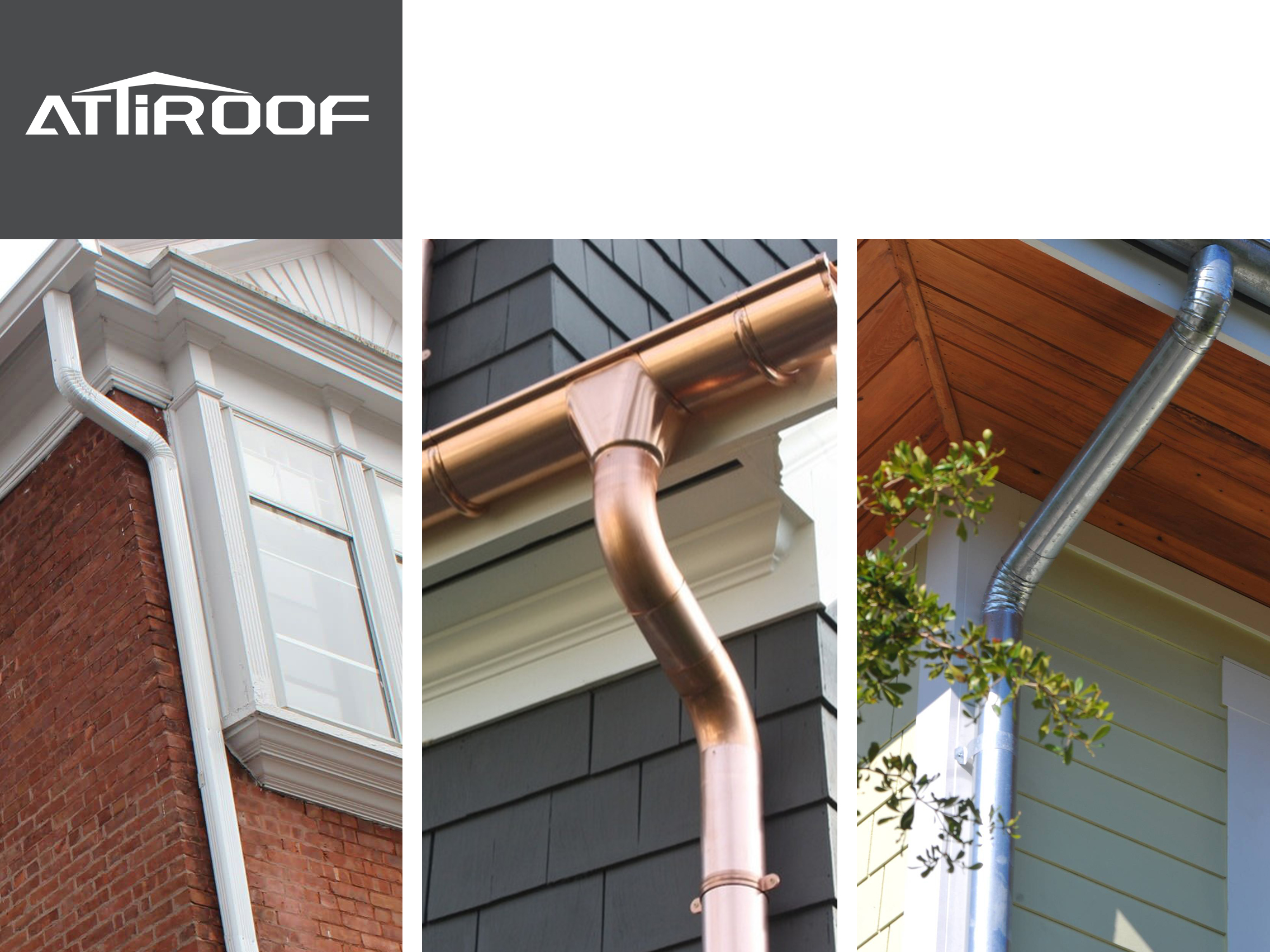
Después de haber explorado los diversos tipos de canaleras, es posible que tenga una idea más clara de las opciones disponibles y tal vez incluso una preferencia en mente. Sin embargo, antes de tomar una decisión final, es crucial tener en cuenta una serie de factores clave que garantizarán que el sistema de canalización elegido no solo satisfaga sus deseos estéticos, sino que también funcione óptimamente bajo sus circunstancias específicas. En Attiroof, estamos comprometidos a guiarlo a través de este proceso de toma de decisiones. He aquí un resumen de los aspectos esenciales a tener en cuenta a la hora de elegir el sistema de canalización ideal para su hogar:
1. Clima y condiciones meteorológicas:
Su clima local juega un papel fundamental en la determinación del tipo más adecuado de canal para su hogar. En áreas propensas a fuertes lluvias, un sistema robusto como canaletas sin costuras o de estilo k, conocido por su capacidad para manejar grandes volúmenes de agua, podría ser la opción ideal. Por el contrario, si usted reside en una región con nevfrecuentes, es esencial optar por un sistema de canaletas que pueda soportar el peso de la nieve y el hielo, tales como canaletas de media ronda o de acero, que son conocidos por su resistencia e integridad estructural.
2. Durabilidad y mantenimiento del Material:
Los diferentes materiales ofrecen diferentes niveles de durabilidad y necesidades de mantenimiento. Por ejemplo, mientras que las canaletas de vinilo son de bajo mantenimiento y resistentes a la corrosión, pueden no ser tan duraderos como las opciones de metal como el acero o el cobre en condiciones climáticas extremas. Considere cuánto tiempo y esfuerzo está dispuesto a invertir en mantenimiento al elegir el material.
3. Atractivo estético:
Las canaletas no sólo sirven para un propósito funcional, sino que también contribuyen al aspecto general de su casa. El estilo y el color de las canaletas deben complementar el exterior de su casa. Materiales como el cobre y la madera ofrecen un aspecto distintivo, pero vienen con diferentes implicaciones de mantenimiento y costos.
4. Presupuesto y rentabilidad:
Es vital equilibrar el costo inicial con el valor a largo plazo. Mientras que las opciones como el Vinson de presupuesto amigable por adelantado, pueden incurrien mayores costos de mantenimiento con el tiempo. En contraste, los materiales de primera calidad como el cobre, aunque inicialmente más caros, se destacan por su longevidad y pueden mejorar el valor de la propiedad, a menudo hacimás rentables en el largo plazo. Según datos de la industria, canaletas de cobre bien mantenipueden durar más de 50 años, reduciendo significativamente la necesidad de reemplazos.
5. Consideraciones ambientales:
Si la sostenibilidad es importante para usted, considere el impacto ambiental del material de la cuneta. Materiales como el aluminio y el acero a menudo están hechos de contenido reciclado y son totalmente reciclables al final de su vida útil.
6. Instalación profesional y garantía:
Una instalación adecuada es crucial para el rendimiento óptimo de su sistema de canalización. Los canalones instalados incorrectamente pueden dar lugar a problemas como daños por agua o problemas con los cimientos. Elija una empresa de renombre que ofrece servicios de instalación profesional y una garantía sólida en sus productos.
7. Recogida y reciclaje de agua:
Si está pensando en cosechar agua de lluvia, optar por sistemas de canaletas como canaletas sin costuras o semicirculares puede ser beneficioso, ya que su diseño eficiente minimilas fugas y garantiza la máxima captación de agua. Empareestos canalones con barriles de lluvia o cisterno no sólo contribuye a la conservación del agua, sino que también puede conducir a ahorros significativos en sus facturas de agua. Estos tipos de canales son conocidos por sus contornos suaves, que facilitan un flujo de agua óptimo y reducen la acumulación de desechos, por lo que son ideales para recoger y reutilizar el agua de lluvia.
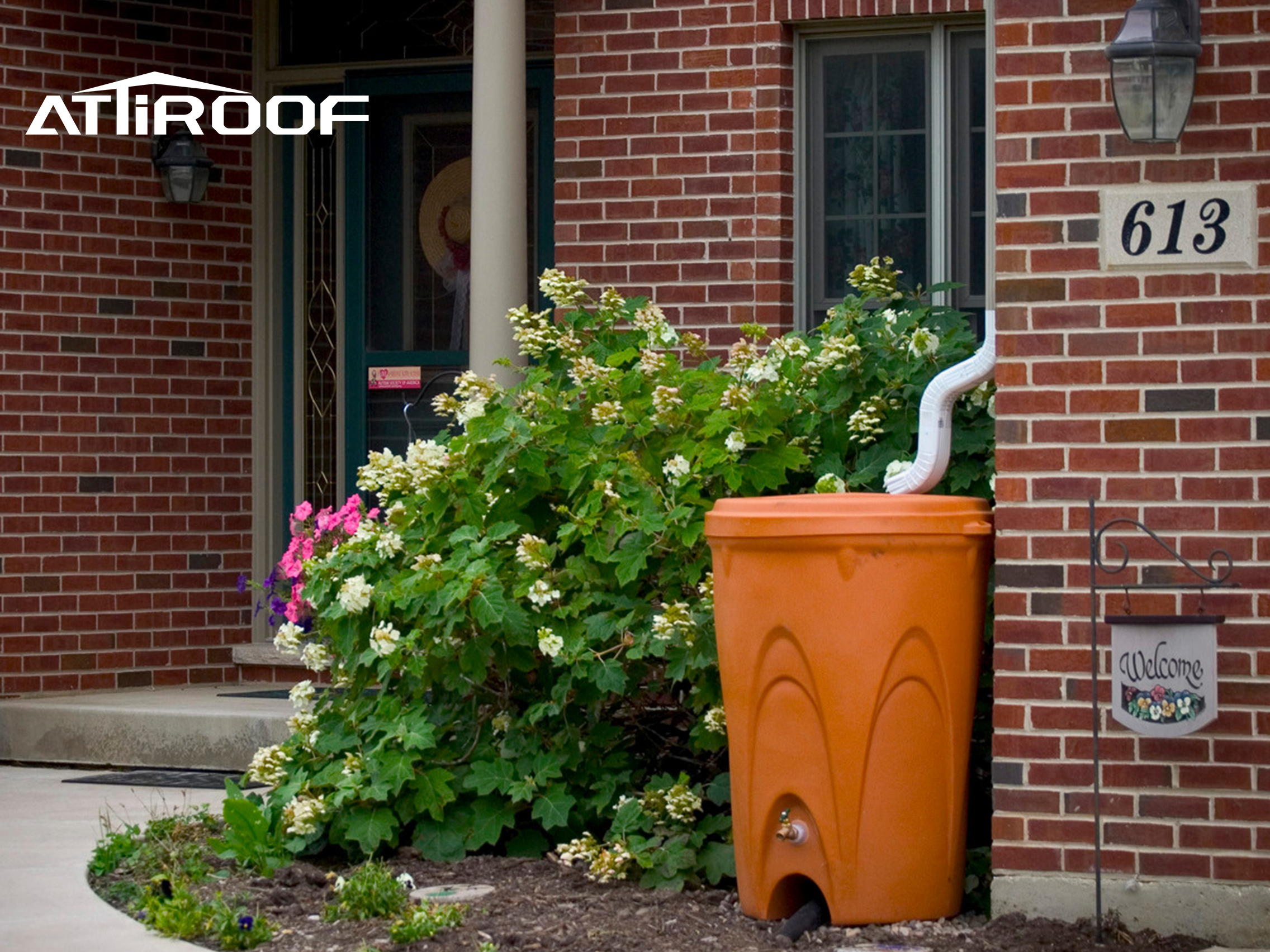
Al considerar cuidadosamente estos factores, usted puede elegir un sistema de canaleta que no sólo proteja su hogar de los daños causados por el agua, sino que también se alinecon sus preferencias estéticas, presupuesto y valores ambientales. Recuerde que un sistema de canalones bien elegido es una inversión en la salud y la longevidad de su hogar.
La elección del material ideal para su sistema de canalización va más allá de la estética; Se trata de encontrar la combinación perfecta de durabilidad, funcionalidad y rentabilidad que resiste la prueba del tiempo. La búsqueda para los mejores materiales no está apenas sobre qué parece bueno, pero qué trabaja genuino lo mejor para su hogar en el funcionamiento largo. En esta sección, nos adentramos en una serie de materiales comúnmente aprovechados en los sistemas de canalización, diseccionando por qué ciertos materiales se elevan por encima de otros en términos de rendimiento, longey valor general. En Attiroof, nuestro objetivo es desmitificar estas opciones, ayudándole a navegar a través de los pros y los contras de cada material para identificar el que mejor satisfaga sus necesidades de techy por qué lo hace.
Los sistemas de canalización pueden fabricarse con una variedad de materiales, cada uno de los cuales ofrece características y beneficios únicos. He aquí un resumen de los materiales más utilizados en los sistemas de canalización:
1. Canaletas de aluminio:
El aluminio es ampliamente favorecido por su naturaleza ligera, resistencia al óxido y versatilidad. Está disponible en una amplia gama de colores y puede ser fácilmente en forma para adaptarse a cualquier estilo de cuneta. Su durabilidad bajo diversas condiciones climáticas hace que sea una opción popular entre los propietarios.
2. Canaletas de vinilo:
Conocidos por su facilidad de instalación y bajo costo, canaletas de vinilo son un punto de referencia para los amantes del bricolaje. Son resistentes al óxido y la corrosión y vienen en varios colores. Sin embargo, el vinpuede volverse quebradizo y propenso a agrietarse en temperaturas extremadamente frías.
3. Canaletas de acero:
Los canales de acero son famosos por su fuerza y robustez, haciéndolos adecuados para climas con fuertes nevadas o tiempo severo. Pueden ser galvanipara prevenir el óxido, pero requieren un mantenimiento regular para evitar la corrosión.
4. Canaletas de cobre:
Ofreciendo una mezcla de durabilidad excepcional y belleza intemporal, las canaletas de cobre envejeccon elegancia, desarrollando una pátina con el tiempo. Son altamente resistentes a la corrosión y pueden durar décadas, pero esta longeviene con un precio más alto.
5. Canaletas de Zinc:
Las canaleras de Zinc son conocidas por su longevidad, durabilidad y la capacidad de desarrollar una pátina protectora. Requieren un mantenimiento mínimo y pueden durar décadas. Al igual que el cobre, el zinc es un material de primera calidad y es más costoso por adelantado, pero ofrece un valor a largo plazo.
6. Canaletas de madera:
Aunque no es tan común hoy en día, las canaletas de madera se utilizan a veces en renovaciones históricas o proyectos personalizados. Ofrecen una estética tradicional, pero requieren un mantenimiento importante para evitar la pudrición y el daño por el agua.
Cada uno de estos materiales tiene su propio conjunto de ventajas y consideraciones. La elección del material influirá significativamente en el rendimiento, los requisitos de mantenimiento y la estética general de su sistema de canalización. En las siguientes secciones, exploraremos las ventajas y desventajas de estos materiales con más detalle, ayudándole a determinar qué material de zanjas es el más adecuado para sus necesidades de tech.
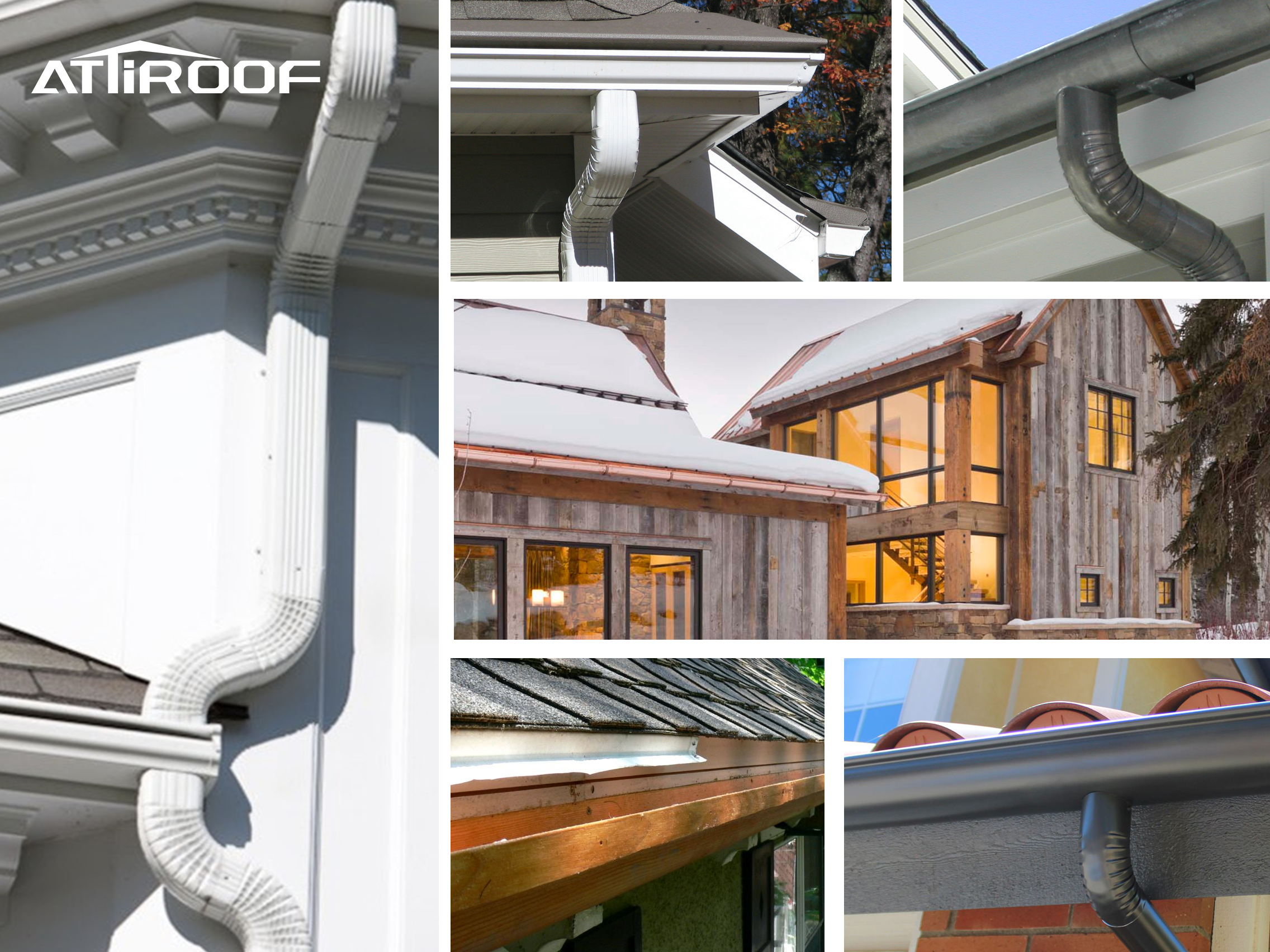 Seleccionar el material adecuado para su sistema de canalización es una decisión que afecta en gran medida la funcionalidad, la longevidad y la apariencia de su hogar. Entender las ventajas y desventajas de cada material puede guiarlo para tomar una decisión informada. A continuación, exploramos los pros y los contras de algunos de los materiales más populares.
Canaletas de aluminio:
●Ventajas:
Las canaletas de aluminio son ligeras, resistentes a la corrosión y fáciles de instalar. Vienen en una amplia gama de colores y se pueden personalizar para adaptarse a cualquier estilo de cuneta. Su versatilidad y resistencia al clima las convierten en una opción ampliamente preferida.
●Desventajas:
Aunque duradero, el aluminio puede abollar o dobbajo el impacto. También puede no ser tan robusto en climas extremadamente fríos, donde puede ser propenso a agrietarse.
Canaletas de vinilo:
●Ventajas:
Las canaletas de vinilo son la opción más rentable (por lo general con un precio de $3 a $5 por pie lineal), resistentes al óxido y la corrosión, y son las más fáciles de instalar, lo que a menudo las hace ideales para proyectos de bricolaje.
●Desventajas:
Las canaletas de vin, aunque rentables, pueden volverse quebradizas y agrietarse en climas fríos, y generalmente tienen una vida útil más corta de 10 a 20 años en comparación con las opciones de metal.
Canaletas de acero:
●Ventajas:
El acero es uno de los materiales más resistentes, capaz de resistir fuertes lluvias, nieve y viento. Es menos probable que abolle en comparación con el aluminio.
●Desventajas:
El acero es susceptible al óxido si no se trata adecuadamente y es notablemente más pesado, normalmente pesa alrededor de 9 a 10 libras por pie, lo que requiere un soporte más robusto, y es generalmente más caro.
Canaletas de cobre:
●Ventajas:
Las canaletas de cobre son excepcionalmente durady pueden durar décadas. Desarrollan una pátina hermosa con el tiempo y pueden mejorar significativamente el atractivo estético y el valor de su propiedad.
●desventajas:
Copper, costing between $15 to $25 per linear foot, is one of the most expensive gutter materials, requires professional installation, and its patina process may not suit all tastes.
Zanjas de cinc:
●Ventajas:
Al igual que el cobre, los canales de zinc son duraderos y tienen una larga vida útil. Requieren un mantenimiento mínimo y desarrollan una pátina protectora que las protege del óxido y la corrosión.
●desventajas:
Las canaletas de Zinc, con un precio de alrededor de $10 a $20 por pie lineal, también tienen un costo más alto y requieren una instalación profesional, con un aspecto de pátina que puede no gustar a todo el mundo.
Canales de madera:
●Ventajas::
Las canaletas de madera ofrecen una estética tradicional y natural que puede ser perfecta para restauraciones históricas o estilos arquitectónicos específicos.
●Desventajas:
La madera requiere un mantenimiento extenso para prevenir la putrefacción, deformación o daño por agua. Es menos duradero que las opciones de metal y por lo general más caro debido a la artesanía involucrada.
En conclusión, cada canaleta tiene sus propias ventajas e inconvenientes. Su elección debe ser guiada por factores tales como su clima local, el estilo arquitectónico de su hogar, capacidad del mantenimiento, y presupuesto. Entender estos aspectos le ayudará a elegir un sistema de canaletas que no sólo luzca genial, sino que también proporcione protección duradera para su hogar.
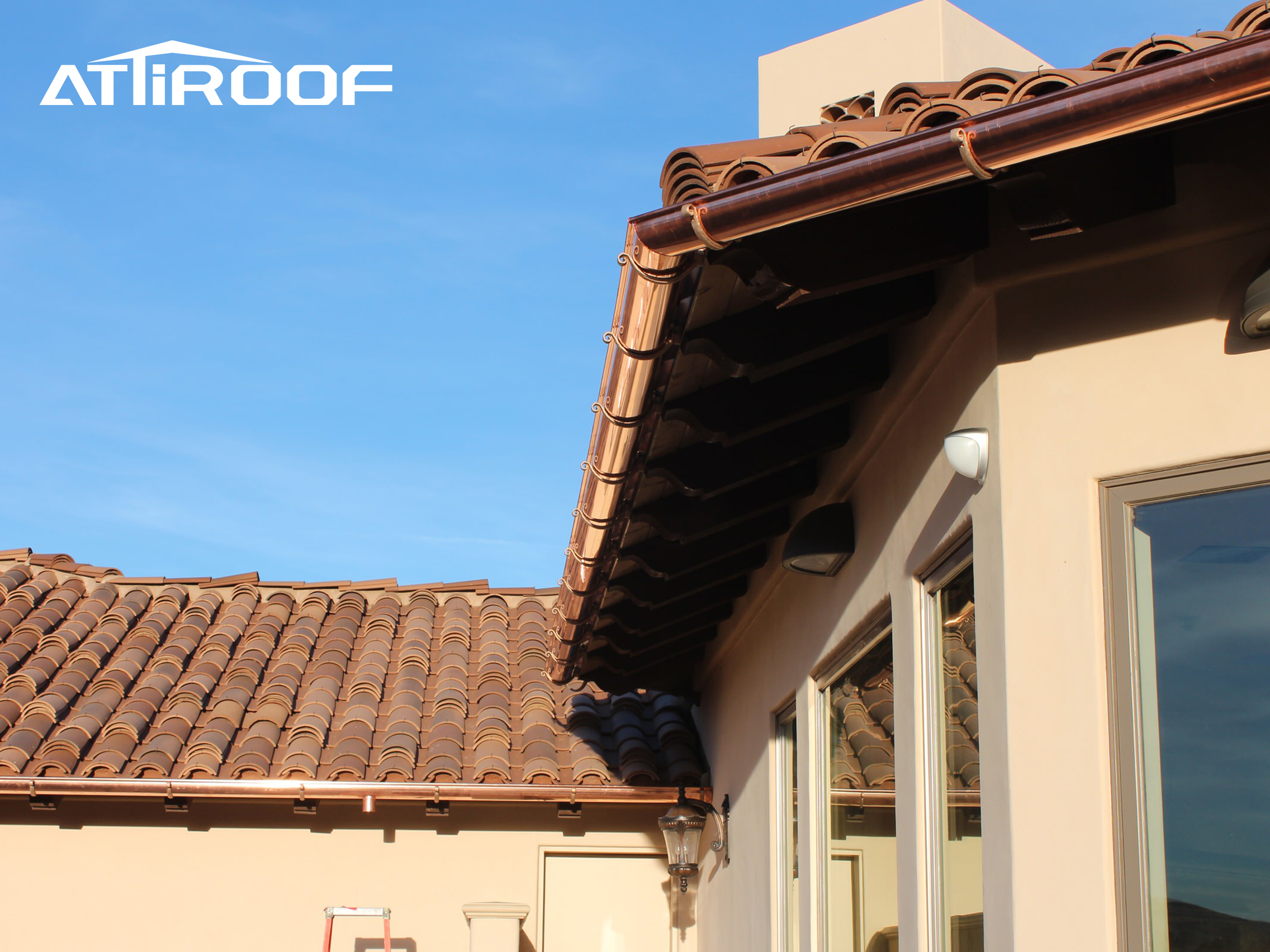
The design of your gutter system plays a critical role in both the aesthetics and functionality of your home's roofing. A well-designed gutter system not only protects your home from water damage but also complements and enhances the architectural style of your property. In this section, we delve into the intricate balance between aesthetics and function in gutter design, exploring how a thoughtful approach can lead to a harmonious integration with your home's overall appearance while ensuring optimal performance.
A harmonious blend of aesthetics and functionality is the hallmark of effective gutter design. While the primary purpose of gutters is to channel water away from your home's foundation, their impact on the visual appeal of your property is undeniable. Attiroof understands the importance of this balance and offers solutions that cater to both needs simultaneously.
●Aesthetic Considerations:
The choice of material, color, and style of gutters should complement the architectural character of your home. Whether it's the rustic charm of wood, the sleek look of aluminum, or the timeless elegance of copper, the right gutter can accentuate your home's design features. Additionally, the shape and size of the gutters should be proportionate to the roofline, ensuring a seamless integration with the home's exterior.
●Functional Imperatives:
Beyond aesthetics, the design of the gutter system must ensure efficient water management. This includes considerations for the gutter's size and shape, which determine its capacity to handle rainfall intensity specific to your region. The positioning and slope of the gutters are also crucial for effective water flow and to prevent clogging or water overflow, which can lead to water damage.
●Innovative Solutions:
Advances in gutter design, such as seamless gutters or gutter guards, offer enhanced functionality while maintaining a clean and polished look. Seamless gutters minimize leaks and require less maintenance, while gutter guards prevent debris accumulation, ensuring that aesthetics are not compromised by functional necessities.
●Customization and Integration:
At Attiroof, we recognize that every home is unique. Customized gutter solutions allow for a perfect match with your home's style and functional requirements. Expertly integrating the gutter system with the roof and the home's exterior ensures that the gutters are not just an addition but a complementary extension of your home.
The impact of gutter design on roof aesthetics is not merely theoretical; numerous real-life examples highlight how a well-chosen gutter system can elevate the appearance of a home. In this section, we explore case studies where gutter design has played a pivotal role in enhancing roof aesthetics, offering tangible insights into the transformative power of thoughtfully selected gutter systems.
Case Study 1: Modern Home with Seamless Aluminum Gutters
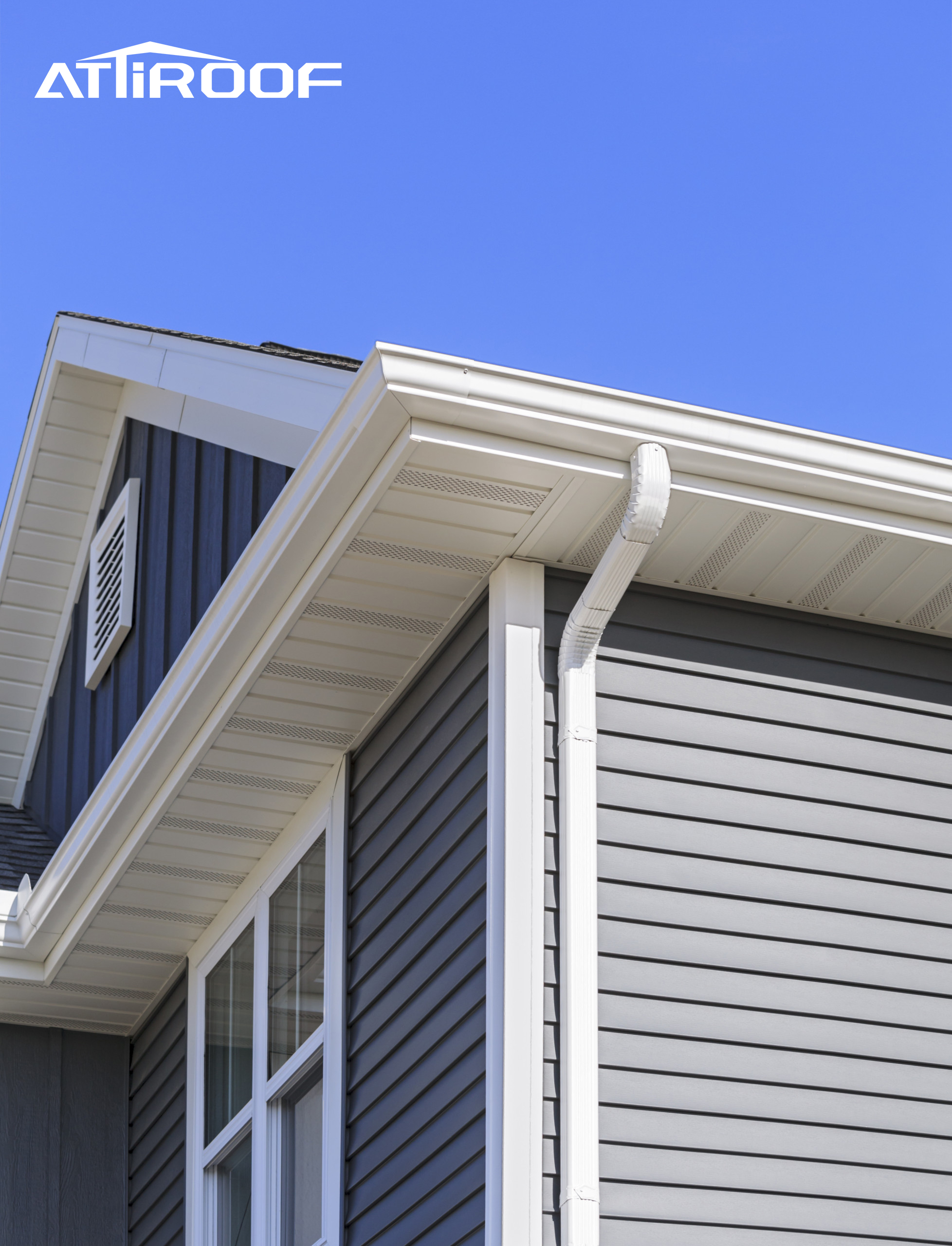
●Overview:
A modern home with clean lines and a minimalist aesthetic opted for seamless aluminum gutters. The goal was to complement the sleek architecture without drawing undue attention to the gutter system.
●Result:
The seamless gutters provided a smooth, uninterrupted finish that aligned perfectly with the home's modern design. The color of the gutters was matched with the trim of the house, creating a cohesive and subtle appearance. The functional aspect was not compromised, as the seamless design minimized leaks and required less maintenance.
Case Study 2: Historic Renovation with Copper Gutters
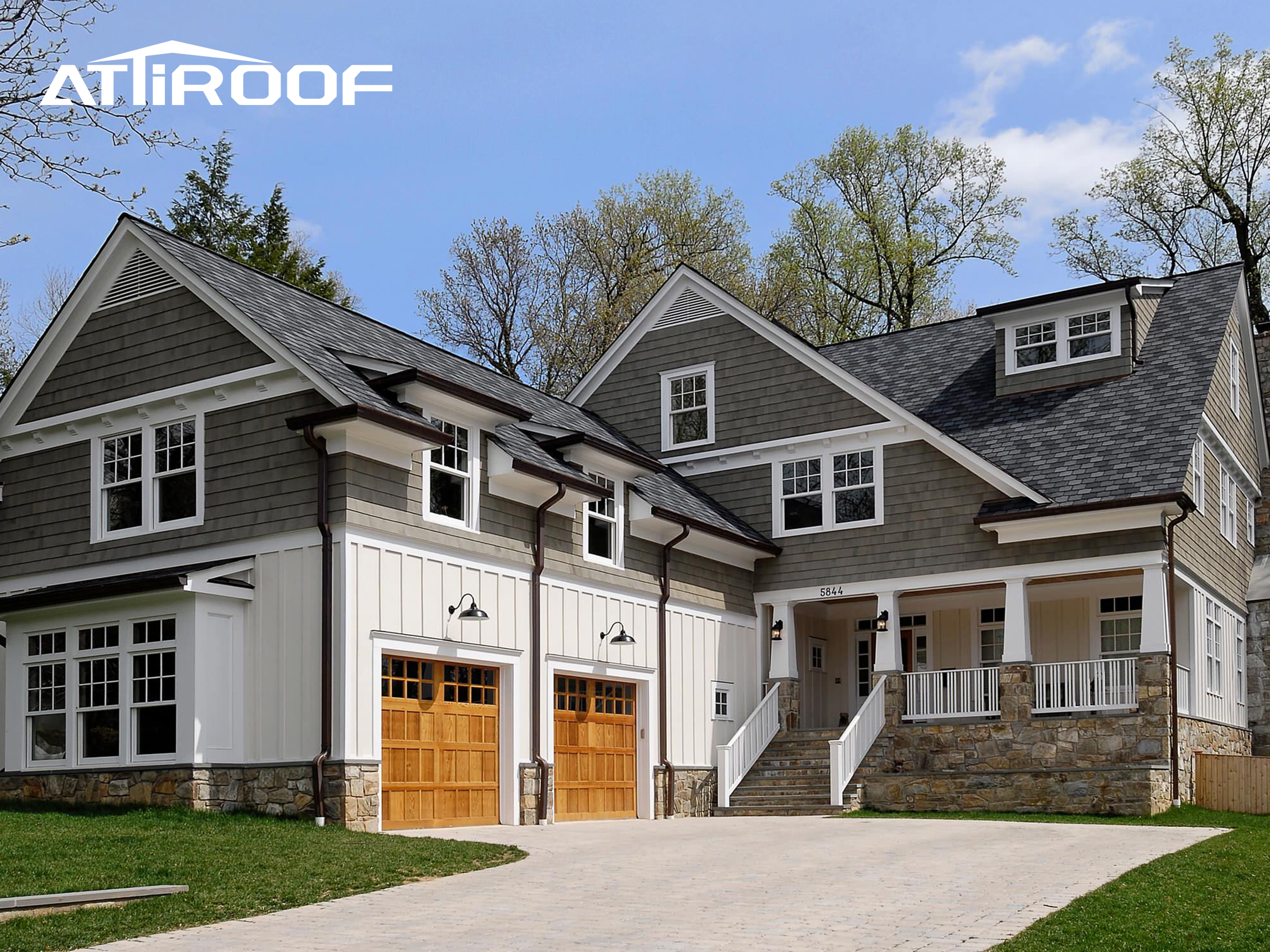
●Overview:
A historic Victorian home underwent a renovation, and the choice of gutter system was crucial to maintain its authentic look. The owners chose copper gutters for their timeless appeal and durability.
●Result:
The copper gutters added an element of classic elegance to the home. As they aged, they developed a beautiful patina, further enhancing the historic look of the property. The durability of copper ensured that the gutters would last for decades, aligning with the long-term preservation goals of the renovation.
Case Study 3: Country Cottage with Wood Gutters
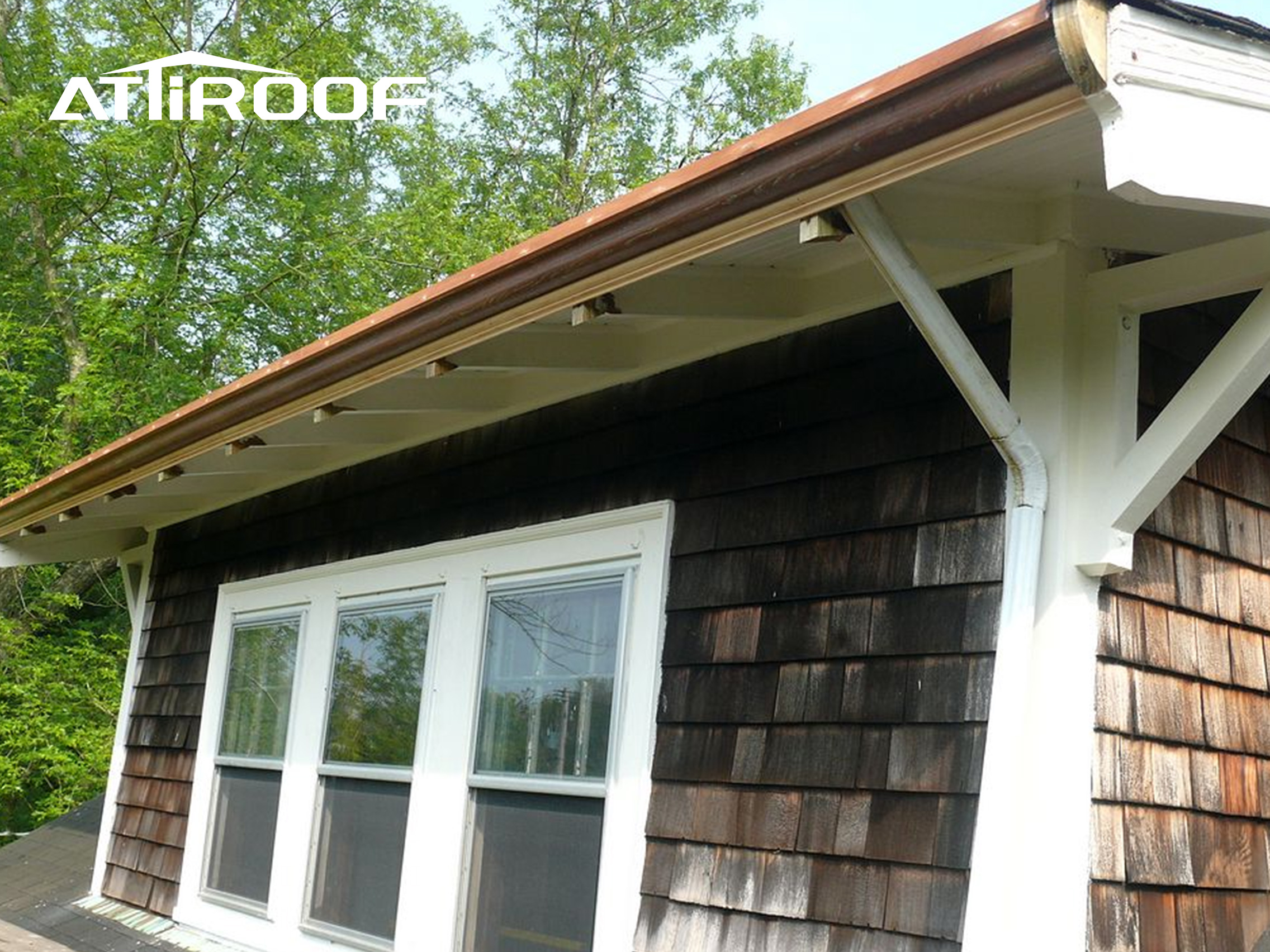
●Overview:
A charming country cottage with a rustic aesthetic required a gutter system that would complement its natural wood siding and rural setting.
●Result:
The installation of wood gutters was a perfect match for the cottage, enhancing its rustic charm. The wood gutters blended seamlessly with the home's exterior, preserving the natural look while providing effective water management. Regular maintenance ensured that the wood gutters remained functional and visually appealing.
These case studies illustrate that the right gutter design can significantly enhance the roof's appearance while fulfilling its functional role. Whether it's the seamless integration with modern architecture, the classic enhancement of historic homes, or the natural complement to rustic settings, gutter systems play a crucial role in the overall aesthetic of a property. Attiroof is dedicated to providing gutter solutions that not only meet the functional needs of your home but also contribute positively to its visual appeal, ensuring that every aspect of your roofing system is in harmony.
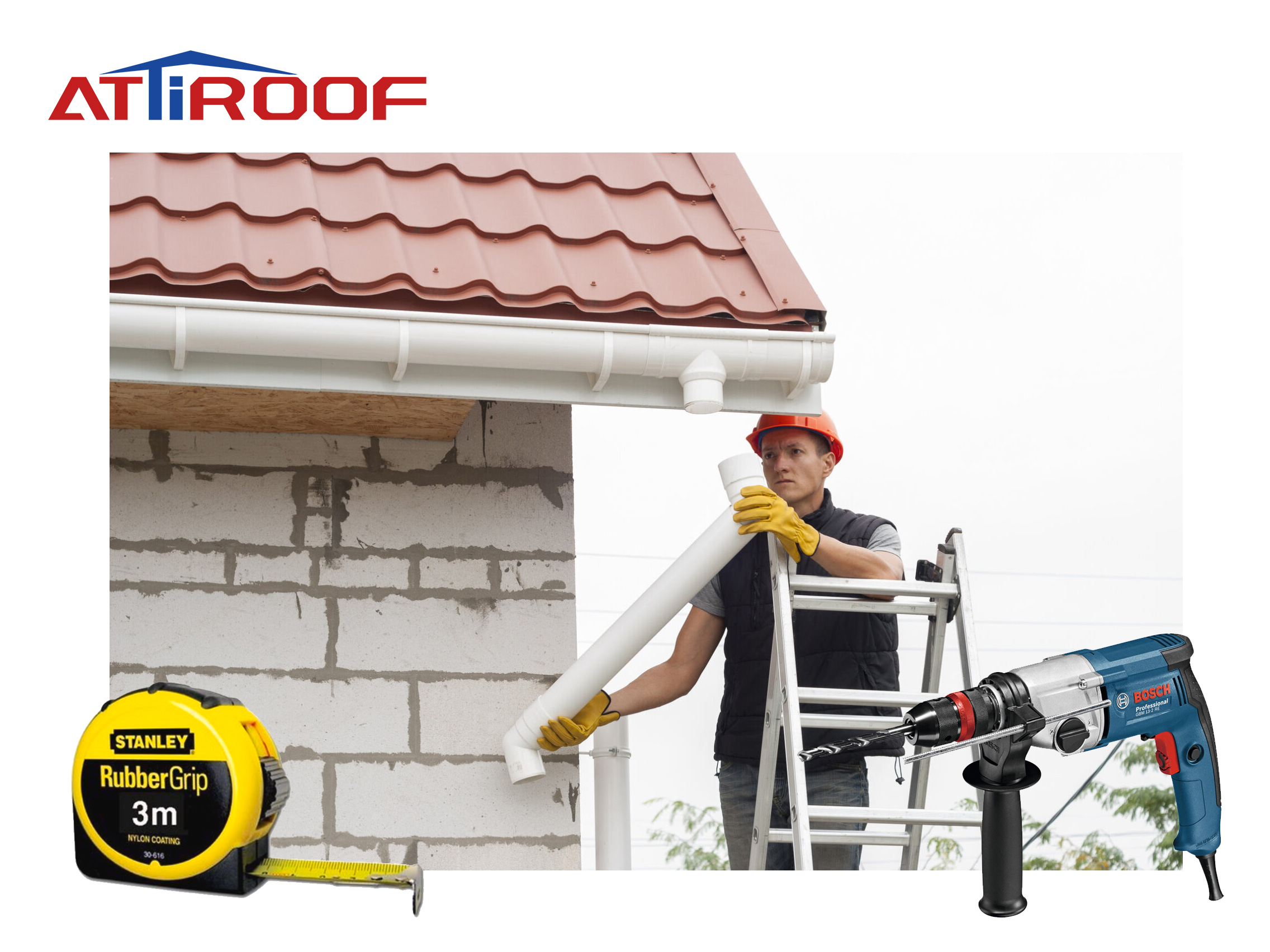
Installing a gutter system is a critical process that ensures the effective management of water runoff from your roof, safeguarding your home against potential water damage. This process, while seemingly straightforward, involves meticulous planning, precise measurement, and skilled execution.
Whether you're considering a professional installation or a DIY project, understanding the fundamental steps of gutter installation can help ensure a successful outcome. In this section, we provide a detailed, step-by-step guide to gutter installation, followed by insights into the pros and cons of professional versus DIY approaches.
Step 1: Planning and Preparation
●Tools Needed: Tape measure, ladder.
●Assess the home's roof size and shape to determine the length and type of gutters required.
●Select the gutter material and style that aligns with your home's design and local climate.
Step 2: Measuring and Calculating
●Tools Needed: Tape measure, chalk line.
●Accurately measure the roof's edge to calculate the total gutter length needed.
●Plan the downspouts' placement, ensuring water is directed away from the foundation.
Step 3: Gutter Sections Preparation
●Tools Needed: Hacksaw or tin snips, file or sandpaper.
●For sectional gutters, cut the gutter material to the measured lengths, ensuring a snug fit.
●For seamless gutters, take precise measurements to a professional for custom fabrication.
Step 4: Setting up Fascia and Mounting Brackets
●Tools Needed: Hammer, power drill, screws, level.
●Inspect and repair any damaged fascia boards.
●Install gutter mounting brackets along the roof's edge, ensuring proper alignment and spacing for optimal support.
Step 5: Gutter Installation
●Tools Needed: Power drill, rivet gun (for aluminum gutters), sealant.
●Attach the gutter sections to the mounting brackets securely.
●Confirm that gutters are installed with a slight incline towards the downspouts for effective water flow.
Step 6: Downspout Assembly and Attachment
●Tools Needed: Power drill, screws, rivet gun (for aluminum downspouts), sealant.
●Connect downspout sections and secure them to the gutter outlet.
●Ensure downspouts extend sufficiently from the house to prevent water pooling near the foundation.
Step 7: Final Inspection and Testing
●Tools Needed: Hose or bucket of water.
●Conduct a thorough inspection of the gutter system for proper alignment and secure fittings.
●Perform a water test to confirm there are no leaks and water flows smoothly towards and through the downspouts.
While this guide provides a general overview, the specifics can vary based on the gutter type and the architectural design of the home. For those who choose the DIY route, having the correct tools and understanding the process is vital. However, for more complex installations or to guarantee top-notch quality, seeking professional installation is often the best choice. In the next section, we'll delve into the factors to consider when deciding between professional or DIY gutter installation.
When it comes to installing a gutter system, homeowners often face the decision between embarking on a DIY project or hiring professionals. Both approaches have their merits and limitations, and the right choice depends on various factors including skill level, budget, and the complexity of the installation. Here we break down what you need to know about professional versus DIY gutter installation.
Professional Installation:
●Advantages:
1. Expertise and Experience:
Professionals bring years of experience, ensuring that the installation is done correctly and efficiently. They are well-versed in dealing with unexpected challenges that may arise during the process.
2. Quality and Warranty:
Professional installers typically offer a warranty on their workmanship. The quality of installation is usually higher, which can extend the lifespan of your gutter system.
3. Safety:
Working at heights can be dangerous. Professionals are trained and equipped with the necessary safety gear to work safely on ladders or roofs.
4. Time-saving:
Hiring professionals can significantly reduce the time taken to install your gutter system.
●Considerations:
Cost: Professional installation is more expensive than DIY. However, the investment might be worth it considering the potential long-term benefits and reduced risk of errors.
DIY Installation:
●Advantages:
1. Cost Savings:
The most apparent benefit of DIY installation is the cost savings on labor. If you have the necessary tools, you can further minimize expenses.
2. Flexibility:
You can work at your own pace and on your own schedule.
3. Personal Satisfaction:
Completing a home improvement project on your own can provide a sense of achievement and personal satisfaction.
●Considerations:
1. Risk of Mistakes:
Without proper knowledge and experience, the risk of making mistakes that could compromise the functionality of your gutter system increases.
2. Safety Concerns:
Working on ladders or at heights can be hazardous without the proper safety equipment and expertise.
3. Time and Effort:
A DIY project can be time-consuming, especially if you are learning as you go.
In conclusion, the choice between professional and DIY gutter installation hinges on weighing the cost against the benefits of professional expertise, safety, and time. For those with the necessary skills and tools, a DIY approach can be a rewarding and cost-effective option. However, for complex installations or for those who prefer a guarantee of quality and safety, professional installation is the advisable path. Understanding the scope of your project and realistically assessing your capabilities and risks is crucial in making the right decision for your home's gutter installation.
Maintaining and cleaning your gutter system is essential to ensure its longevity and functionality. Neglected gutters can lead to severe issues like water damage to your home's foundation, landscaping erosion, and roof damage. A well-maintained gutter system not only protects your home but also saves you money in the long run by preventing costly repairs. In this section, we'll share some effective strategies for maintaining and cleaning your gutter system, providing you with the knowledge to keep your gutters in optimal condition throughout the year.
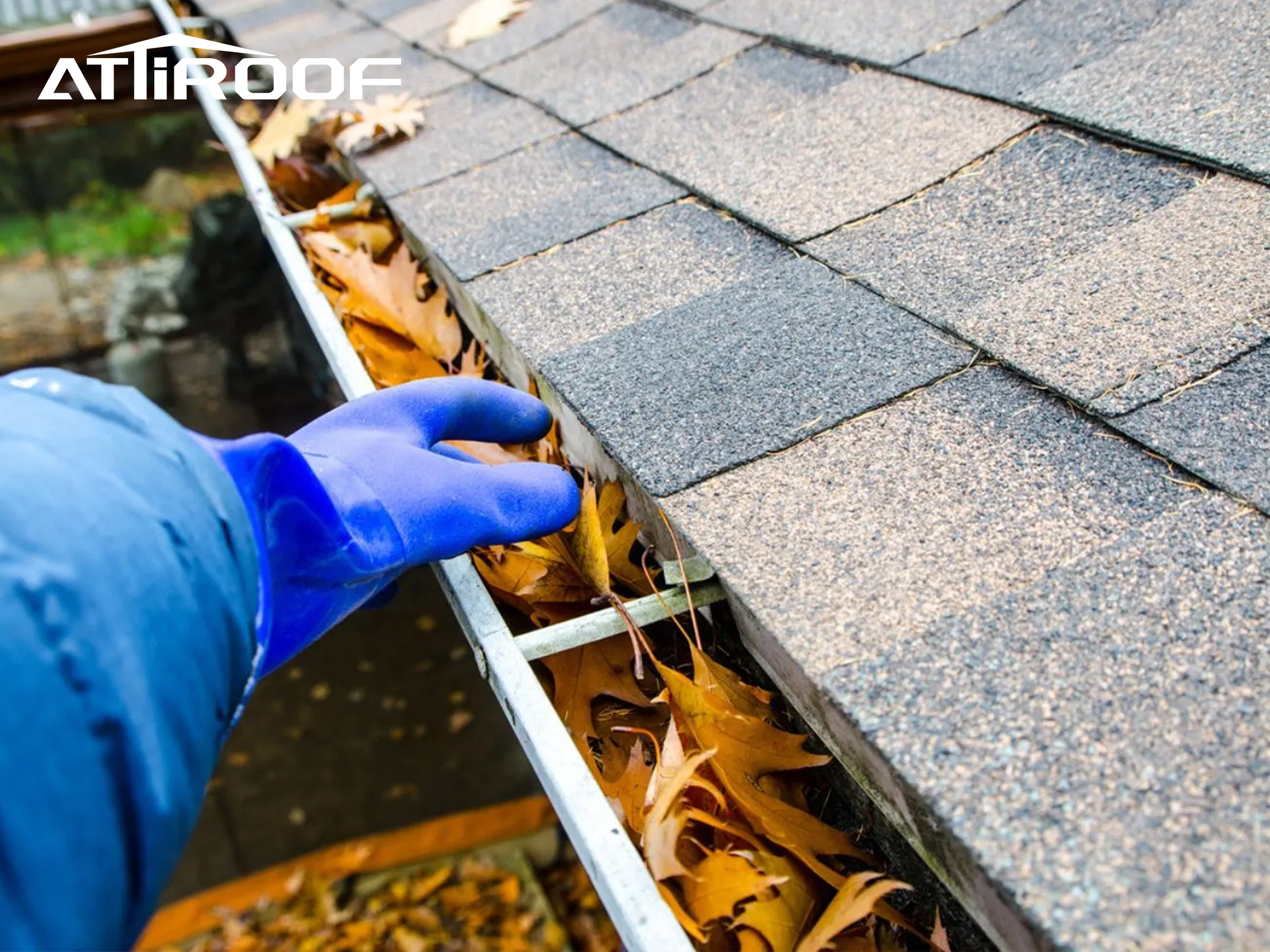
Regular maintenance is key to a well-functioning gutter system. Here are some routine gutter maintenance tips to help you keep your gutters in top shape:
1. Regular Inspections:
●Schedule gutter inspections at least twice a year, typically in the spring and fall. Check for any signs of damage, sagging, or blockage.
●After a heavy storm, inspect your gutters for any accumulated debris or damage caused by the weather.
2. Clearing Debris:
●Remove leaves, twigs, and any other debris from the gutter channels. This can be done using a gutter scoop, garden trowel, or by hand (wearing gloves).
●Ensure the downspouts are clear. You can use a plumber's snake or a high-pressure hose to unclog downspouts.
3. Preventative Measures:
●Consider installing gutter guards to prevent debris from entering the gutters. They can significantly reduce the amount of time spent on cleaning.
●Trim tree branches hanging over your roof to minimize the amount of leaves and twigs falling into the gutters.
4. Checking for Leaks and Corrosion:
●Look for any signs of rust or holes in metal gutters. Small holes can be patched using a gutter patching kit or sealant.
●Ensure that all gutter joints are tightly sealed. Apply sealant to any leaking joints.
5. Ensuring Proper Gutter Alignment:
●Gutters should be securely attached to the fascia and have a slight slope towards the downspouts for proper drainage.
●Check the brackets or hangers holding the gutters to the fascia. Tighten any loose hardware.
6. Downspout Drainage:
●Make sure the water exiting the downspouts is directed away from the foundation of your house. You may use downspout extenders or splash blocks for this purpose.
●Ensure the soil around your home slopes away from the foundation to prevent water pooling.
By following these routine maintenance tips, you can significantly extend the life of your gutter system and protect your home from water-related issues. Regular maintenance not only ensures the functionality of your gutters but also contributes to the overall well-being of your home. In the next section, we'll explore some effective cleaning techniques to keep your gutters in pristine condition.
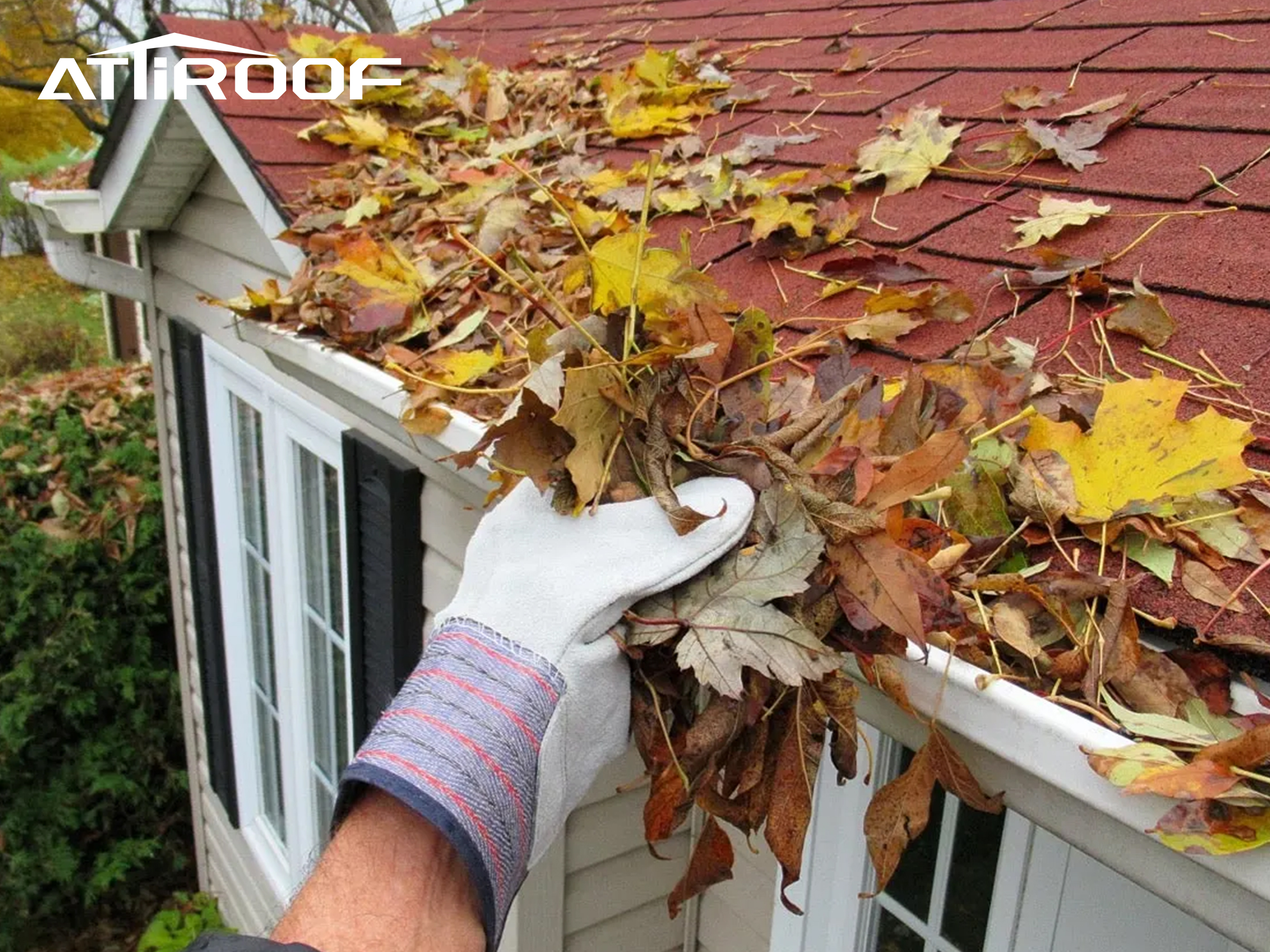
Keeping your gutters clean is not just about maintaining the appearance of your home; it's a vital practice to prevent water damage and extend the lifespan of your gutter system. Here are some effective techniques to clean your gutters thoroughly and safely:
1. Safety First:
●Use a sturdy ladder to safely reach your gutters. Ensure that the ladder is stable and, if possible, have someone spot you.
●Wear gloves to protect your hands from sharp objects and debris. Safety goggles and a dust mask are also recommended to protect against dust and mold.
2. Gutter Cleaning Tools:
●Equip yourself with a gutter scoop or a garden trowel for scooping out loose debris.
●A bucket or a plastic tarp can be used to collect the debris, keeping your lawn clean.
3. Manual Cleaning:
●Start near a downspout and begin removing debris from the gutter. Work away from the downspout so that you're not pushing additional debris into it.
●Be gentle to avoid damaging the gutters or the roof.
4. Flushing the Gutters:
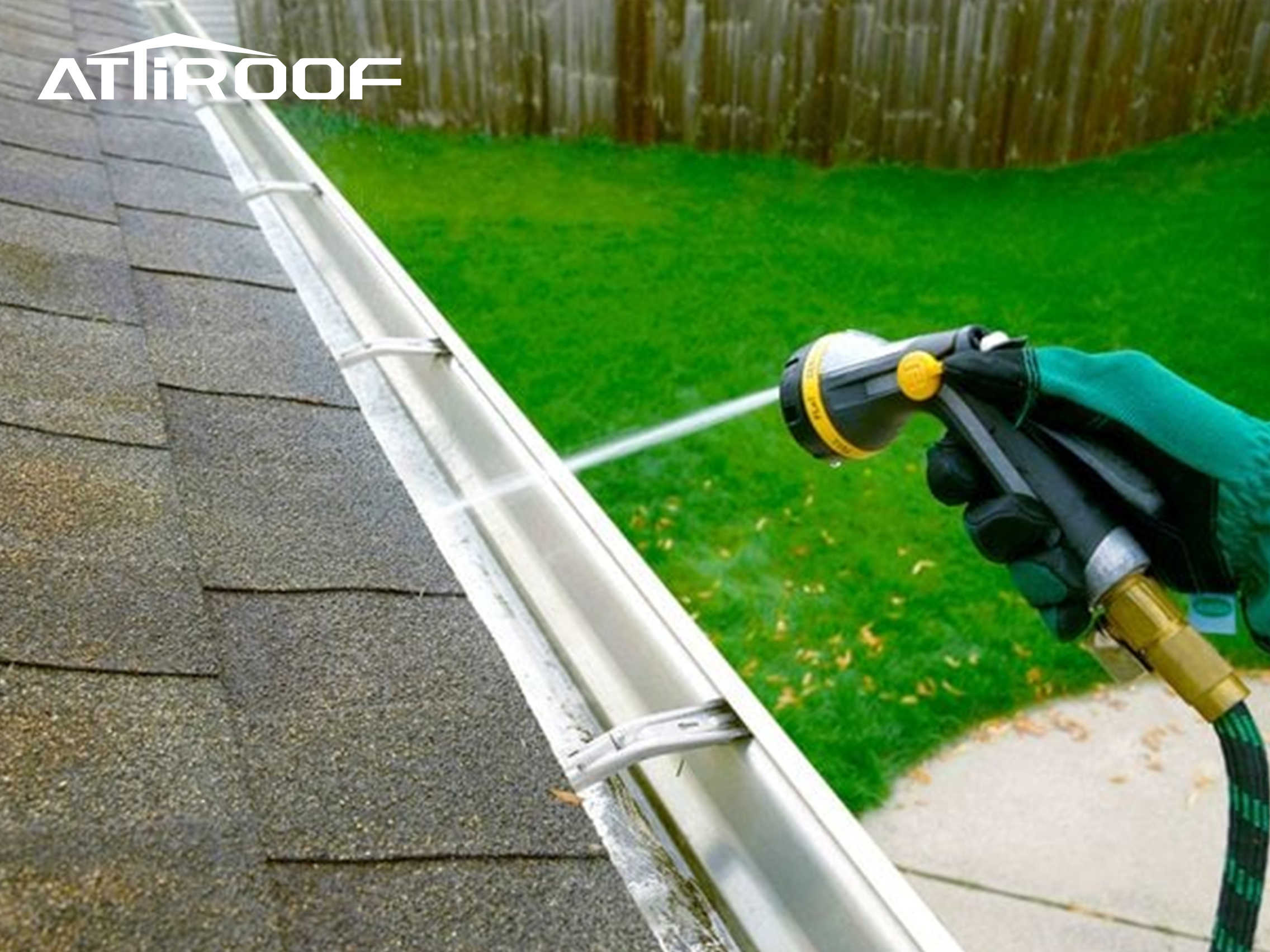
●Once the debris is cleared, use a garden hose with a spray nozzle to flush out the gutters. Start from the end opposite the downspout.
●Flushing helps remove smaller particles and checks if the water is flowing properly through the gutters and downspouts.
5. Downspout Cleaning:
●If water doesn’t flow freely through the downspouts, they may be clogged. Use a plumber's snake to unclog them or disassemble the downspout, if necessary, to remove the blockage.
●After unclogging, flush the downspouts with water to ensure they are clear.
6. Inspect for Repairs:
●While cleaning, inspect your gutters for signs of wear, tear, or damage. Look for cracks, holes, rust, or sagging sections.
●Small holes or cracks can be repaired with gutter sealant, while larger issues may require parts of the gutter to be replaced.
7. Consider a Professional Cleaning Service:
●If your gutters are particularly high or you're not comfortable working on a ladder, consider hiring a professional gutter cleaning service.
●Professionals have the experience, tools, and safety equipment to efficiently clean and inspect your gutters.
By incorporating these cleaning techniques into your regular maintenance routine, you can ensure that your gutter system remains effective and functional. Regular cleaning not only prevents costly repairs but also protects your home from potential water damage, preserving the structural integrity and value of your property.
Gutters are a crucial component of your home's exterior, playing a vital role in directing rainwater away from your foundation and landscaping. However, like any part of a home, they are not immune to problems. Over time, various issues can arise that compromise the functionality of your gutter system, potentially leading to serious damage to your property. Understanding these common problems and knowing how to address them is key to maintaining the integrity of your gutter system and your home.
In this section, we'll identify frequent issues encountered in gutter systems and later discuss the solutions and preventative measures to tackle these challenges effectively.
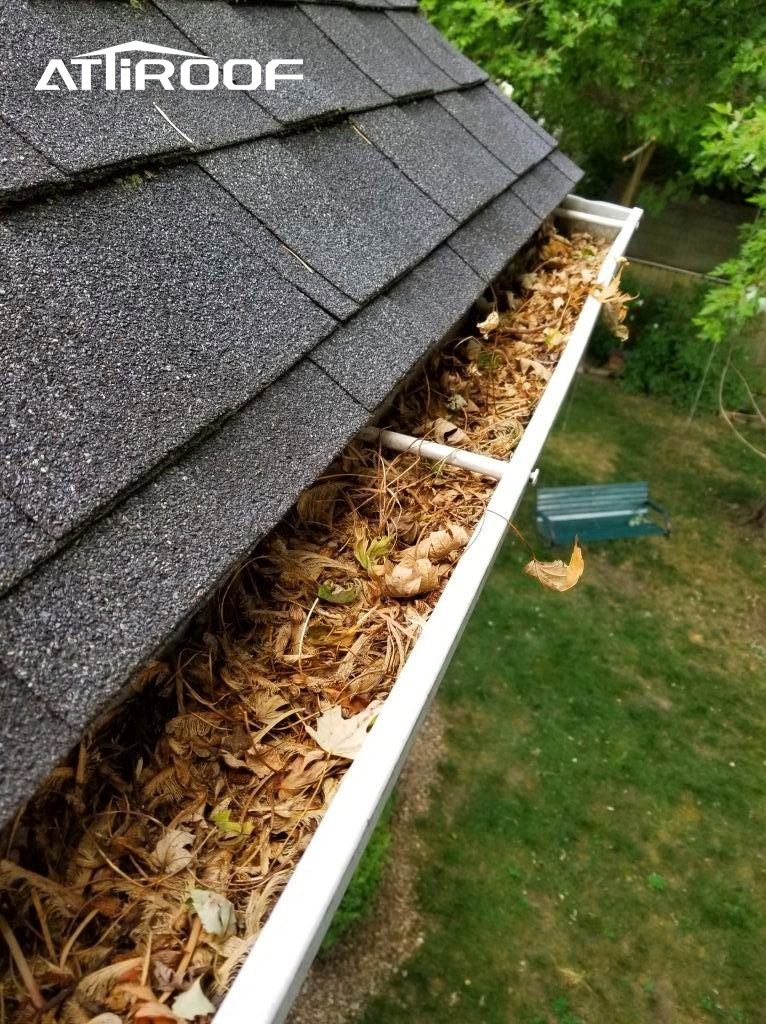
Awareness of the typical problems that can plague gutter systems is the first step towards ensuring their longevity and functionality. Here are some common issues that homeowners encounter:
1. Clogging:
The most prevalent issue in gutter systems is clogging caused by leaves, twigs, and other debris. Clogged gutters impede water flow, leading to overflow and potential water damage to your home.
2. Sagging Gutters:
Gutters may begin to sag due to the weight of accumulated debris, water, or snow. Sagging can affect the slope of the gutter, preventing water from flowing towards the downspouts.
3. Leaks and Holes:
Over time, gutters can develop leaks or holes due to corrosion, weather damage, or wear and tear. These issues can result in water escaping the gutter system and damaging the surrounding areas.
4. Improperly Pitched Gutters:
Gutters need a slight slope to ensure water flows towards the downspouts. If they are not correctly pitched, water can pool in the gutters, leading to overflow or standing water that can attract pests.
5. Downspout Issues:
Downspouts are critical for directing water away from your home's foundation. If they are blocked, disconnected, or not extended enough from the house, water can pool around the foundation, causing damage.
6. Gutter Joint Separations:
The joints between gutter sections can separate due to expansion and contraction from temperature changes or from the weight of debris and water. This separation can lead to leaks and inefficient water management.
7. Ice Dams and Snow Buildup:
In colder climates, ice dams can form in the gutters, blocking the flow of melting snow and water. The weight of ice and snow can also strain the gutter system, leading to potential damage.
Recognizing these issues early on and taking prompt action can prevent minor problems from escalating into major, costly repairs. In the following section, we will explore effective solutions and preventative measures to address these common gutter problems, ensuring your gutter system remains in optimal condition throughout the year.
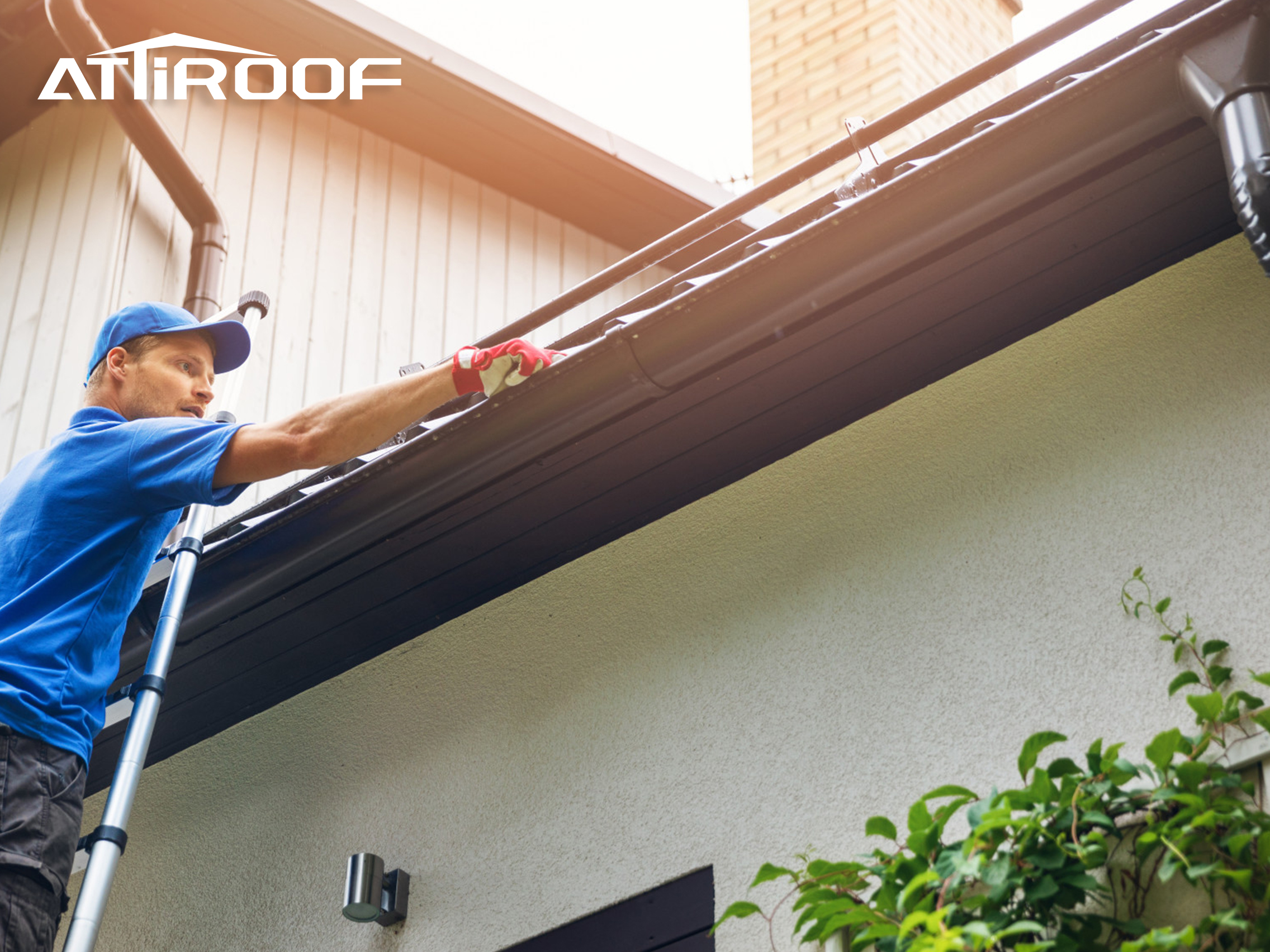
Addressing common gutter problems promptly and implementing preventative measures can significantly extend the lifespan of your gutter system and protect your home from potential damage. Below are solutions and preventative strategies for the common gutter issues identified earlier:
1. Solutions for Clogging:
●Regular Cleaning: Clean your gutters at least twice a year to remove leaves, twigs, and other debris. This routine should be more frequent if your home is surrounded by trees.
●Install Gutter Guards: Gutter guards can prevent debris from entering the gutter channels, significantly reducing the need for cleaning and the risk of clogs.
2. Fixing Sagging Gutters:
●Reinforce with Hangers: If gutters are sagging, they may need additional support. Install gutter hangers or spikes to reinforce them and maintain their proper slope and alignment.
●Ensure Correct Spacing: Spacing for hangers or spikes should typically be no more than 36 inches apart to provide adequate support.
3. Repairing Leaks and Holes:
●Sealant for Small Leaks: Apply gutter sealant from the inside to fix small leaks or holes. Ensure the gutter is dry and clean before applying.
●Patch for Larger Holes: For larger holes, use a metal patch of the same material as the gutter, and seal it in place with gutter sealant.
4. Correcting Improperly Pitched Gutters:
●Adjust the Slope: Gutters should have a slight slope towards the downspouts, typically 1/4 inch for every 10 feet. Readjust the gutter hangers to correct the slope if water is pooling.
5. Addressing Downspout Issues:
●Clear Blockages: Regularly check and clear out any debris blocking the downspouts.
●Extend Downspouts: Ensure downspouts extend at least 5 feet away from your home's foundation to prevent water pooling around the base of your house.
6. Resolving Gutter Joint Separations:
●Reattach or Replace: If gutter joints have separated, reattach them with gutter screws and sealant or replace the fittings if they are damaged.
7. Preventing Ice Dams and Snow Buildup:
●Proper Insulation and Ventilation: Ensure your attic is well insulated and ventilated to minimize the amount of heat reaching the roof.
●Install Heating Cables: Consider installing heating cables in your gutters and downspouts to prevent ice from forming.
By implementing these solutions and maintaining a regular inspection and maintenance schedule, you can prevent common gutter problems and ensure your gutter system functions effectively, protecting your home from water damage for years to come.
Remember, while some issues can be handled as DIY projects, others may require professional attention, especially if you're uncomfortable working at heights or the problem is complex.
The gutter system industry is not static; it's a field characterized by continuous innovation aimed at enhancing functionality, durability, and ease of maintenance. These advancements address common challenges like clogging, leakage, and wear while also aligning with aesthetic and environmental trends. This section sheds light on the cutting-edge technologies in gutter design, offering insights into how modern solutions are setting new standards in efficiency and sustainability.
The gutter industry's landscape is constantly evolving, with technological advancements enhancing efficiency, durability, and environmental sustainability. Here are some of the most notable innovations, supported by data and statistics where available:
1. Seamless Gutter Systems:
These systems have gained popularity due to their effectiveness in reducing leaks. A study by the National Association of Homebuilders suggests that seamless gutters have a significantly lower failure rate compared to traditional sectional gutters.
2. Gutter Guard Technology:
Advanced gutter guards, especially micro-mesh types, have been shown to reduce the frequency of gutter cleaning by up to 70%, according to consumer reports. These guards are designed to keep out even the smallest debris, ensuring unobstructed water flow.
3. Smart Gutter Systems:
The integration of IoT (Internet of Things) in home maintenance, including gutter systems, is on the rise. Market analysis predicts a growth rate of over 25% in the smart home industry by 2025, which includes advancements in smart gutter technologies.
4. Eco-Friendly Materials:
The use of recycled materials in gutter production is becoming more prevalent, with some manufacturers now using up to 85% recycled aluminum, significantly reducing the carbon footprint associated with new gutter installations.
5. Improved Downspout Designs:
Innovations such as wider and smoother downspouts have been shown to improve water flow efficiency by up to 30%, reducing the likelihood of blockages and overflow, according to industry studies.
6. Aesthetic Integration:
With the trend towards customization in home building, the demand for aesthetically pleasing gutters that complement a home's exterior has led to a broadening of color and style options. Reports indicate that homeowners are willing to invest up to 15% more for customized gutter solutions that enhance curb appeal.
These data-backed advancements underscore the gutter industry's commitment to innovation, offering homeowners solutions that are not only functionally superior but also align with broader trends in sustainability and home automation. As the industry continues to evolve, these technologies are expected to set new benchmarks in gutter design and functionality.
The gutter system industry is not only adapting to current demands but is also looking ahead, anticipating future needs and trends. The focus is shifting towards creating gutter systems that are more efficient, environmentally friendly, and integrated with smart home technologies. Here are some of the emerging trends that are expected to shape the future of gutter systems:
1. Sustainable Materials and Practices:
●The trend towards sustainability is expected to grow, with more gutter systems being made from recycled materials. Additionally, the manufacturing processes are anticipated to become more environmentally friendly, reducing the carbon footprint.
●Rainwater harvesting capabilities might become a standard feature in new gutter designs, promoting water conservation and self-sufficiency in residential properties.
2. Increased Smart Technology Integration:
●Smart gutters equipped with sensors for leak detection, temperature monitoring, and automated cleaning are expected to become more prevalent. These systems can alert homeowners about system status and maintenance needs through smartphone apps.
●IoT integration is likely to extend further, with gutter systems being part of a holistic home management system, capable of communicating with other smart devices for optimized home maintenance.
3. Advanced Gutter Protection Systems:
●Innovations in gutter guards and protection systems will continue, focusing on improving durability and the effectiveness of keeping debris out while allowing water to flow freely.
●Materials that actively resist the accumulation of debris or use advanced coatings to prevent ice and snow buildup are expected to become more common.
4. Customization and Aesthetic Options:
●As homeowners seek more customization options, the industry is likely to respond with a wider array of color choices, styles, and materials that blend seamlessly with any architectural design.
●The aesthetics of gutters will become as important as their functionality, with design elements that enhance the overall appearance of the home's exterior.
5. Climate-Adaptive Designs:
●With changing climate patterns, gutter systems will need to adapt to handle extreme weather conditions. This includes designs that can manage heavy rainfall, withstand high winds, and prevent ice dam formation in colder regions.
●Materials that are more resilient to UV exposure, temperature fluctuations, and severe weather conditions will be in higher demand.
6. Enhanced Installation and Maintenance Services:
●The industry might see a shift towards offering more comprehensive service packages, including installation, regular maintenance, and repair services, providing homeowners with peace of mind and hassle-free gutter management.
●DIY-friendly gutter systems that are easy to install and maintain might also become more prevalent, catering to the growing market of homeowners who prefer to handle home improvement projects themselves.
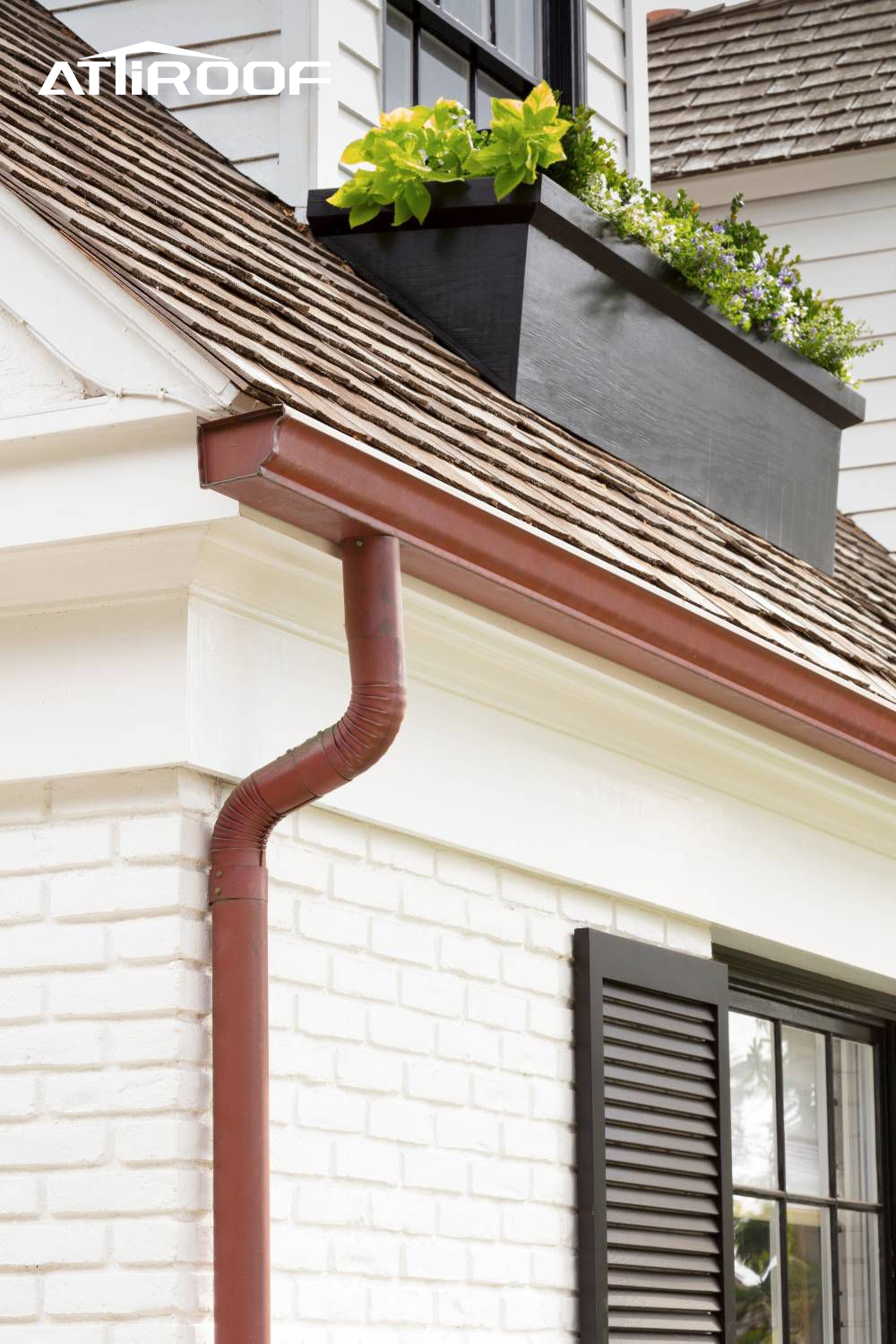
These future trends reflect a movement towards more innovative, sustainable, and homeowner-friendly gutter systems. As technology and material science continue to advance, gutter systems are set to become an even more integral and dynamic component of modern roofing, offering solutions that meet and exceed the evolving needs and preferences of homeowners.
In an era where environmental consciousness is more important than ever, the role of gutter systems in promoting sustainability and minimizing ecological impact is garnering increased attention.
Gutter systems, traditionally seen as a functional element of roofing, are now being recognized for their potential in eco-friendly initiatives. This section discusses how innovative gutter designs and practices not only protect your home but also contribute positively to environmental sustainability.
The integration of eco-friendly features into gutter systems is transforming them into tools for environmental conservation. Here are some key aspects through which gutter systems are promoting sustainability:
1. Materials and Manufacturing:
●Recycled Materials: Many gutter systems are now made from recycled materials, significantly reducing the demand for raw resources and the carbon footprint associated with their production. For instance, aluminum gutters often contain a high percentage of post-consumer recycled content.
●Sustainable Production Processes: Manufacturers are adopting more sustainable practices, including using renewable energy sources and reducing waste during the production of gutter systems.
2. Energy Efficiency:
Gutter systems, especially those integrated with roofing materials with reflective properties, can contribute to reduced energy consumption in homes. By minimizing heat absorption, these systems help maintain stable indoor temperatures, reducing the need for air conditioning.
3. Durability and Longevity:
Investing in high-quality, durable gutter systems reduces the frequency of replacements and repairs, thereby minimizing waste and resource consumption. Materials like copper and high-grade steel, known for their longevity, are becoming popular choices for environmentally conscious homeowners.
4. Low-Maintenance Solutions:
Gutter systems designed to be low-maintenance, such as those with gutter guards or advanced coating technologies, reduce the need for cleaning agents and repairs, further diminishing the ecological footprint.
5. Eco-Friendly Disposal:
At the end of their lifecycle, materials like aluminum and copper used in gutter systems are completely recyclable, ensuring that they don't contribute to landfill waste.
By incorporating these eco-friendly aspects, gutter systems not only protect your home from water damage but also play a part in conserving natural resources and reducing environmental impact. In the following section, we'll delve deeper into how gutter systems can be optimized for rainwater harvesting, further contributing to sustainable living practices.
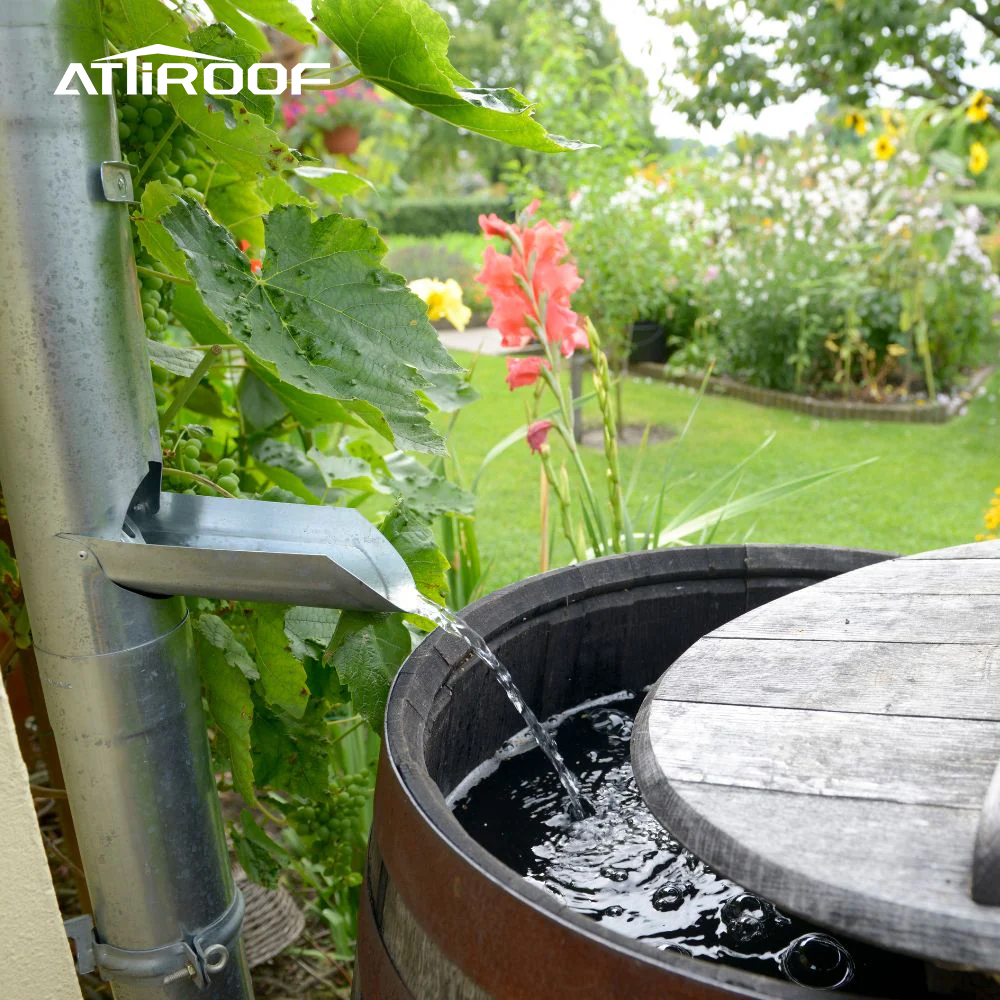
Rainwater harvesting is an ancient practice that's gaining renewed interest in modern times, especially as water conservation becomes a critical component of sustainable living. Gutter systems play a pivotal role in this eco-friendly endeavor, effectively channeling and collecting rainwater from roofs. This section explores how gutter systems are being optimized for rainwater harvesting and the environmental benefits they offer.
1. Integration with Rainwater Collection Systems:
Gutter systems can be seamlessly integrated with rain barrels, cisterns, or underground water storage tanks. These setups collect and store rainwater for non-potable uses such as gardening, lawn irrigation, and even for certain household tasks after proper treatment.
2. Water Conservation:
By collecting rainwater, gutter systems help reduce the reliance on municipal water supplies, leading to significant water conservation. According to the EPA, rainwater harvesting can save up to 1,300 gallons of water during the peak summer months.
3. Reduced Stormwater Runoff and Erosion:
Harvesting rainwater directly from gutters reduces the volume of stormwater runoff, mitigating soil erosion and preventing pollutants from entering local waterways. This is particularly beneficial in urban areas where impermeable surfaces are prevalent.
4. Enhanced Water Quality:
Rainwater is free from many of the contaminants and chemicals found in ground or municipal water sources. When used for irrigation, it provides a healthier, chemical-free option for plants and landscapes.
5. Optimized Gutter Design for Harvesting:
Gutter systems designed for rainwater harvesting typically feature larger channels and downspouts to maximize water capture. Gutter guards and filtration systems ensure that the collected water is free from debris and leaves.
6. Economic Benefits:
Apart from environmental advantages, rainwater harvesting can lead to substantial cost savings by reducing water bills. The initial investment in a rainwater collection system is often recouped over time through these savings.
7. Climate Resilience:
In areas prone to droughts or where water restrictions are common, rainwater harvesting provides a reliable, independent water source, enhancing the resilience of households to climate variability.
By incorporating gutter systems into rainwater harvesting practices, homeowners can significantly contribute to water conservation efforts and enjoy the associated environmental and economic benefits. As awareness of sustainable living practices grows, the role of gutter systems in water conservation is expected to become increasingly integral to residential and commercial property designs.
Selecting the right gutter system to complement your roof tiles is not just a matter of functional necessity; it's also an opportunity to enhance the aesthetic harmony and architectural integrity of your home. A well-matched gutter system not only efficiently manages rainwater but also seamlessly integrates with the style and material of your roof, contributing to the overall curb appeal of your property.
In this section, we delve into the nuances of matching gutter systems with different types of roof tiles, focusing on compatibility and customization options for a cohesive and functional roofing solution.
The choice of gutter system should be influenced by the type of roofing material used, as each material has unique characteristics and requirements. Here's how to ensure compatibility between your gutters and various roof materials:
1. Asphalt Shingles:
●Most gutter materials work well with asphalt shingles, the most common roofing material. Aluminum gutters, in particular, are favored for their cost-effectiveness and durability.
●Ensure that the gutter system provides adequate drainage for the potentially high water volume that asphalt shingles can shed during heavy rains.
2. Metal Roofing:
●Metal roofs are durable and have a sleek appearance. Matching them with steel or aluminum gutters can create a cohesive look. Copper gutters can also be a great match, offering a contrasting aesthetic that ages beautifully.
●It's important to consider the rate of water runoff, which can be rapid on metal surfaces. Wider gutters and downspouts may be necessary to handle the increased flow.
3. Tile Roofing (Clay or Concrete):
●Tile roofs, with their distinct Mediterranean or Spanish look, pair well with copper or steel gutters, which complement the traditional aesthetic and are capable of supporting the weight of these heavier roofing materials.
●The gutter system should be robust to manage the significant water runoff during heavy rains and the debris that tile roofs can shed.
4. Slate Roofing:
●Slate roofs are known for their elegance and longevity. Copper gutters are a popular choice for slate roofs, as they match the premium look and are equally durable.
●The gutter system should be installed with precision to prevent any damage to the edges of the slate tiles.
5. Wooden Shingles or Shakes:
●Wooden roofs have a rustic charm and require a gutter system that complements this natural aesthetic. Copper or wooden gutters can be a good match, offering a traditional look.
●Gutter guards are recommended to prevent leaves and pine needles from clogging the system, considering the typical environment around homes with wooden roofs.
When matching gutter systems to roof tiles, it's not just about the material but also about color, style, and installation nuances. The right choice will ensure functional efficiency and contribute to the visual harmony of your home's exterior.
In the next section, we'll explore customization options that allow for seamless integration of gutter systems with various types of roof tiles, ensuring a perfect match for every architectural style.
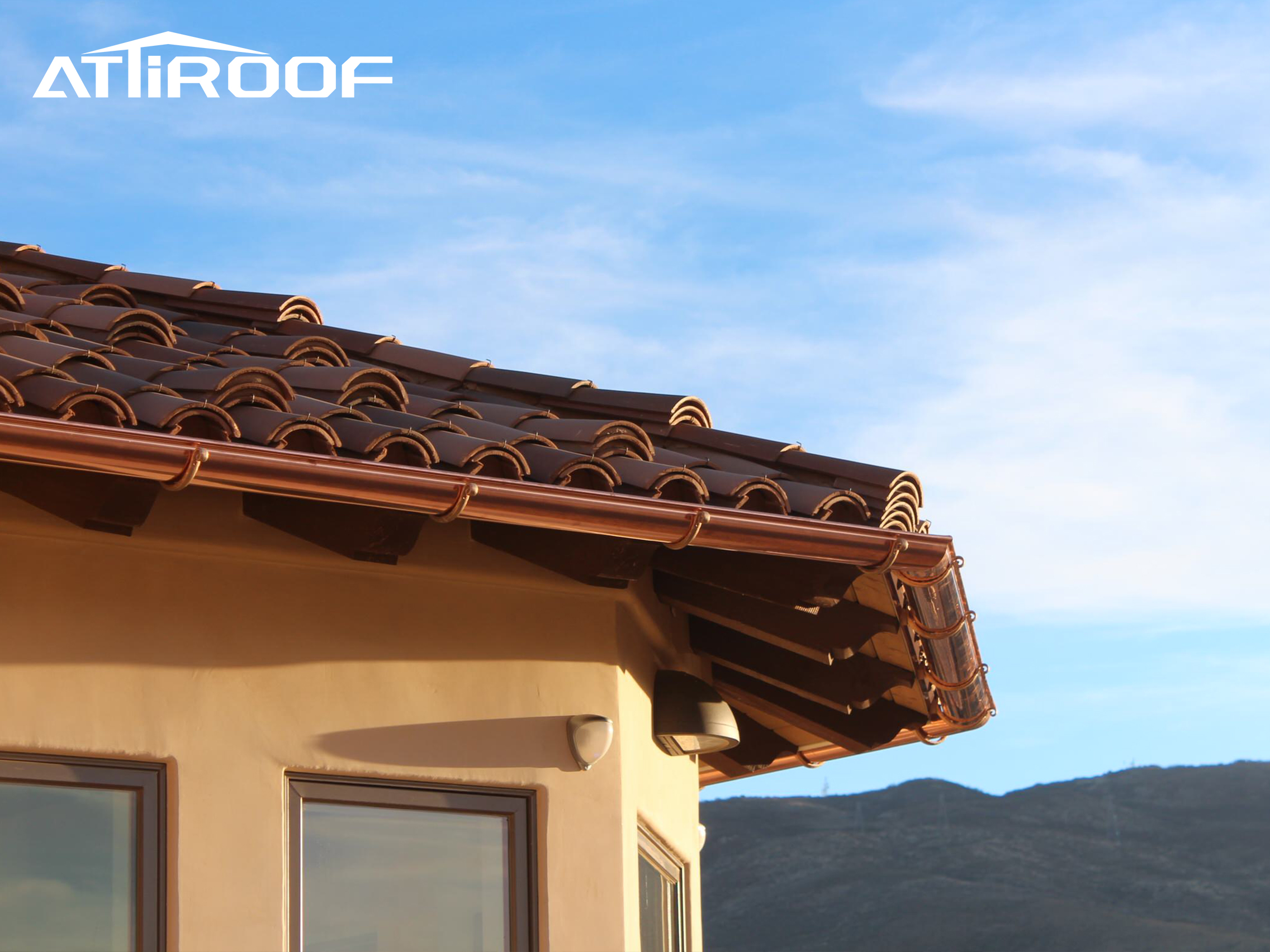
Achieving a seamless integration between your gutter system and roof tiles is not only about functional compatibility; it's also about creating a cohesive aesthetic that enhances your home's architectural design. Customization options in gutter systems allow for this seamless integration, ensuring that your gutters not only perform efficiently but also elevate the overall appearance of your home. Here are some customization options to consider for a perfect match between your gutter system and roof tiles:
1. Color Matching:
●Many gutter systems come in a wide range of colors or can be painted to match your roof tiles and trim perfectly. This creates a harmonious look and can make the gutters appear as a natural extension of your roof.
●Powder coating is a popular option for achieving durable and consistent color on metal gutters.
2. Material Selection:
●Choosing a gutter material that complements or contrasts with your roof tiles can significantly impact the aesthetic appeal of your home. For instance, copper gutters can add a touch of elegance to slate or tile roofs, while aluminum gutters can provide a sleek, modern look when paired with metal roofs.
●Consider the longevity, maintenance, and patina of materials like copper, which can add character to your home over time.
3. Style and Shape:
●The profile of the gutter (K-style, half-round, etc.) can be chosen to match the architectural style of your home. For example, half-round gutters are often used for historical or traditional-style homes, while K-style gutters suit more modern designs.
●Custom shapes and styles can also be fabricated, offering unique design solutions that perfectly align with your home's character.
4. Custom Fabrication:
●For unique roof designs, custom-fabricated gutters can ensure a perfect fit and function. This involves professional measurements and manufacturing to create a gutter system tailored to your home's specific dimensions and style.
●Seamless gutters are often custom-fabricated on-site to fit your home exactly, eliminating joints and reducing the potential for leaks.
5. Decorative Accents:
●Decorative elements such as leader heads, also known as conductor heads, and decorative downspout brackets can add a distinctive touch to your gutter system, enhancing the overall look of your home.
●These accents can be chosen to complement architectural details of your home, creating a cohesive and thoughtfully designed appearance.
6. Professional Consultation:
●Consulting with a professional can provide valuable insights into the latest trends, materials, and custom options for your gutter system. They can also help you navigate the myriad of choices to find the best solution for your home.
By leveraging these customization options, homeowners can ensure their gutter systems are not just functional but also an integral part of their home's design aesthetic. A well-integrated gutter system not only protects your home from water damage but also contributes to its curb appeal, potentially enhancing the overall value of the property.
Investing in a quality gutter system is crucial for protecting your home from water damage, but it also requires careful financial planning. The cost of gutter systems varies widely based on materials, installation complexity, and the size of your home.
Understanding the factors that influence pricing can help you make an informed decision and plan your budget effectively. In this section, we provide a comprehensive guide to the pricing of different gutter systems, offering insights to help you estimate the costs and plan your budget for both installation and ongoing maintenance.
The price of gutter systems can vary significantly depending on the material, style, and whether you opt for sectional or seamless construction. Here's a breakdown of the typical costs associated with different gutter materials:
1. Vinyl Gutters:
●Cost: $3 to $5 per linear foot.
●Characteristics: Vinyl gutters are the most affordable option. They are lightweight, easy to install, and resistant to rust and corrosion. However, they may not be as durable as other materials, especially in very cold climates.
2. Aluminum Gutters:
●Cost: $4 to $9 per linear foot.
●Characteristics: Aluminum gutters are a popular choice due to their durability, rust resistance, and wide range of color options. They offer a good balance between cost and longevity.
3. Steel Gutters:
●Cost: $8 to $10 per linear foot.
●Characteristics: Steel gutters are more durable and sturdier than aluminum. Galvanized steel gutters are especially resistant to rust but require more maintenance to prevent corrosion.
4. Copper Gutters:
●Cost: $15 to $25 per linear foot.
●Characteristics: Copper gutters are a premium option. They are highly durable, do not rust, and develop a beautiful patina over time. They are also the most expensive due to their material cost and the need for professional installation.
5. Zinc Gutters:
●Cost: $10 to $20 per linear foot.
●Characteristics: Zinc gutters are durable and long-lasting, similar to copper. They also develop a protective patina but are slightly less expensive than copper.
6. Wood Gutters:
●Cost: $12 to $20 per linear foot.
●Characteristics: Wood gutters are less common and are typically used in restoration projects for historic homes. They require regular maintenance to prevent rot and water damage.
Remember, the above costs are rough estimates and can vary based on your location, the complexity of your gutter system, and installation charges. It's also important to factor in additional costs for downspouts, gutter guards, and other accessories. In the next section, we'll provide some budgeting tips to help you plan for both the initial installation and long-term maintenance of your gutter system.
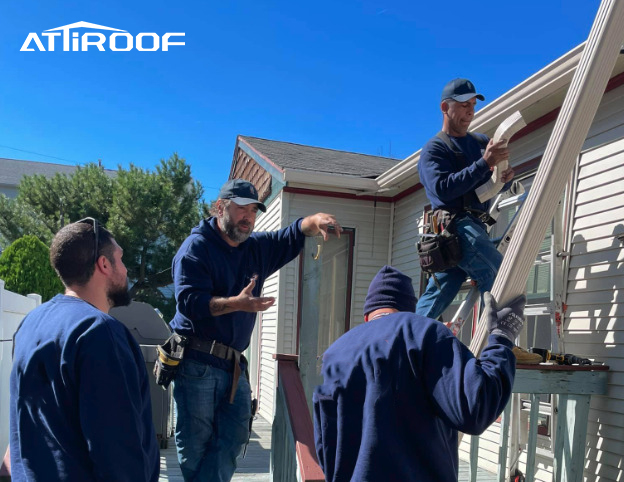
Investing in a gutter system is a significant financial decision that requires thoughtful planning and budgeting. Beyond the initial installation costs, considering long-term maintenance expenses is crucial for making an informed investment. Here are some valuable budgeting tips to help you navigate the financial aspects of gutter installation and maintenance:
1. Consult with Attiroof Experts:
Reach out to our Attiroof specialists for a comprehensive quote. Our team not only provides competitive pricing but also ensures that you receive top-quality materials and service. By consulting directly with us, you'll benefit from our expertise in roofing solutions, ensuring that your investment brings long-term value and protection to your home.
2. Consider Long-Term Value:
While it might be tempting to choose the least expensive option, consider the durability and expected lifespan of the materials. Sometimes, investing a bit more upfront can save you money in the long run on repairs and replacements.
3. Factor in All Costs:
Remember to include all related costs in your budget, not just the gutters themselves. This includes downspouts, gutter guards, installation fees, and any potential repairs to your fascia or roofing that might be necessary during installation.
4. Plan for Maintenance:
Regular maintenance can greatly extend the life of your gutter system. Set aside a portion of your budget for routine cleaning, inspections, and minor repairs. This can prevent more costly issues down the line.
5. Save for Unexpected Repairs:
It's wise to have a contingency fund for unexpected repairs or issues that may arise, especially after severe weather conditions.
6. Invest in Quality Installers:
The quality of installation can significantly impact the longevity and effectiveness of your gutter system. Investing in experienced, reputable installers can lead to fewer problems and lower maintenance costs in the future.
7. Consider Gutter Guards:
While adding to the initial cost, gutter guards can reduce the frequency and cost of cleaning and maintenance. They can be a wise investment, particularly if your home is surrounded by trees.
8. Understand Warranties and Service Plans:
Know the details of any warranties offered by the gutter material manufacturer and the installation company. Some companies also offer service plans for regular maintenance, which can be a cost-effective way to ensure your gutters are well-maintained.
By taking these factors into account, you can create a comprehensive budget that covers not only the initial installation but also the ongoing maintenance of your gutter system. Careful planning and investing in quality materials and installation can minimize future costs and ensure your gutter system provides effective protection for your home for years to come.
The real-world impact of gutter systems extends far beyond mere aesthetics; they are fundamental to preserving the structural integrity of homes, preventing water damage, and contributing to the overall well-being of the occupants. In this section, we present a series of case studies that highlight the transformative role of effective gutter systems in enhancing the functionality and livability of real homes.
1. Overcoming Water Damage in a Coastal Home
●Background: Situated in a coastal region prone to heavy rainfall, a residential property was frequently experiencing water seepage in the basement and soil erosion around the foundation.
●Solution: The installation of a high-capacity, seamless gutter system with integrated gutter guards significantly reduced the overflow during heavy rains. The improved water management system effectively channeled water away from the foundation, mitigating the risks of basement flooding and soil erosion, thereby protecting the home's structural integrity.
2. Enhancing Roof Longevity in a Snow-Prone Area
●Background: A home in a region with harsh winters was encountering issues with ice dams and excessive snow accumulation on the roof, leading to potential roof damage and leaks.
●Solution: The strategic placement of heated gutter cables and the installation of sturdy, weather-resistant gutters mitigated the formation of ice dams. This proactive approach not only prevented damage to the roof and gutters but also ensured a safer environment by reducing the risk of falling icicles.
3. A Rainwater Harvesting Solution for a Sustainable Household
●Background: An environmentally-conscious homeowner wanted to reduce their dependence on municipal water and sought a sustainable solution for their garden irrigation needs.
●Solution: By integrating their gutter system with a rainwater harvesting setup, the homeowner was able to collect and store rainwater efficiently. This sustainable approach not only provided a reliable water source for their garden during dry spells but also contributed to a reduction in their water bills and ecological footprint.
These case studies exemplify the functional advantages and real-life benefits of having an effective gutter system in place. From safeguarding the structural integrity of homes against water damage to promoting sustainable living practices, the importance of a well-designed gutter system in enhancing the quality and functionality of residential properties is undeniable.
Hearing directly from homeowners provides invaluable insights into the real-life benefits and enhancements brought by effective gutter systems. These testimonials and feedback highlight not only the functional improvements but also the peace of mind and satisfaction experienced by homeowners who have invested in quality gutter solutions. Below are some authentic testimonials and feedback from homeowners who have seen significant improvements in their homes after installing or upgrading their gutter systems.
1. Testimonial from a Homeowner in a Rain-Heavy Region:
"Before we upgraded our gutter system, every heavy rainstorm was a cause for concern. We frequently dealt with basement flooding and the constant worry of water damage. After consulting with experts and installing a more robust, clog-free gutter system, the difference has been night and day. Our basement stays dry, and the peace of mind knowing our home is protected is invaluable. It was an investment that paid off manifold."
2. Feedback from a Homeowner with Newly Installed Rainwater Harvesting:
"Integrating a rainwater harvesting system with our new gutters was one of the best decisions we made during our home renovation. Not only are we contributing to water conservation, but we also have a sustainable source for watering our garden. It's fulfilling to see how a simple upgrade can have such a positive impact on our lifestyle and the environment."
3. Testimonial from a Homeowner in a Cold Climate:
"Dealing with ice dams and icicles was a regular winter nuisance that we dreaded. The damage it caused over the years was not just dangerous but also costly. After installing heated gutter cables and a more durable gutter system, our winters have been worry-free. The system effectively prevents ice buildup, protecting our roof and making our home safer. This upgrade was definitely worth it for the durability and safety it brought to our home."
These testimonials underscore the transformative effect that a well-thought-out gutter system can have on a property. From enhancing the home's resilience against harsh weather conditions to contributing to sustainability and providing homeowners with peace of mind, the right gutter system is a crucial component of any well-maintained home. These real-life stories reaffirm the value of investing in a quality gutter solution, not just as a functional necessity but as an integral part of a comfortable, secure, and eco-friendly living environment.
The journey through the diverse world of gutter systems culminates in a clear understanding that a robust, well-integrated gutter system is not merely an accessory but a fundamental component of your home's longevity and protection. Attiroof's commitment to excellence is reflected in every piece of advice, suggestion, and insight shared in this comprehensive guide.
1. Importance of Quality Gutter Systems:
A well-functioning gutter system is essential for protecting your home's structure from water damage, preserving the integrity of the foundation, and preventing issues like soil erosion and basement flooding.
2. Material Matters:
The choice of material for your gutter system (be it aluminum, vinyl, copper, steel, or zinc) significantly impacts its durability, maintenance requirements, and aesthetic appeal. Each material has its unique benefits and considerations.
3. Design and Integration:
The design of the gutter system should not only be functional but also harmonize with your home's architectural style. Seamless integration, color matching, and style selection are crucial for enhancing curb appeal.
4. Maintenance is Key:
Regular maintenance, including cleaning and inspections, is vital to ensure the optimal performance of your gutter system. Preventative measures can avert costly repairs and extend the life of your gutters.
5. Sustainability and Innovation:
Advancements in gutter technology, such as eco-friendly materials, smart gutter systems, and innovations like rainwater harvesting, are contributing to more sustainable living practices.
6. Professional Guidance:
While DIY options are available, consulting with professionals can provide valuable insights, especially for complex installations or when integrating advanced features like smart sensors or heating cables.
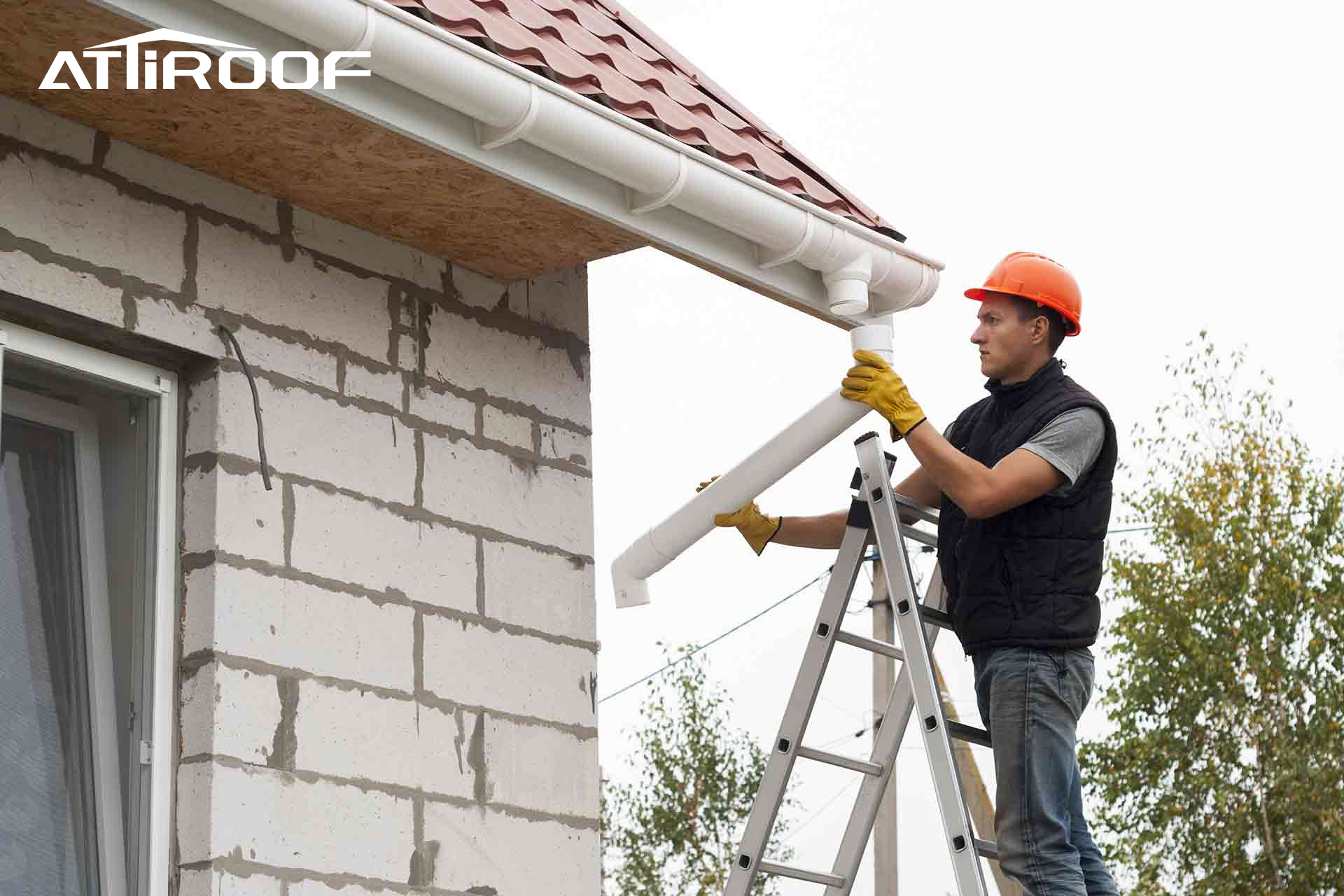
For Homeowners:
●Assess Your Needs: Consider the climate, the style of your home, and your budget. Determine what you value most in a gutter system – durability, aesthetics, eco-friendliness, or all of the above.
●Seek Professional Consultation: Especially for complex roof structures or if you're considering advanced gutter solutions, professional guidance can be invaluable.
●Plan for Maintenance: Set a schedule for regular cleaning and inspections. Consider investing in gutter guards or a maintenance plan to ensure the longevity of your gutter system.
For Professionals:
●Stay Informed: Keep up-to-date with the latest materials, technologies, and installation techniques to offer the best solutions to your clients.
●Educate Your Clients: Help clients understand the value of a good gutter system and the importance of regular maintenance.
●Offer Tailored Solutions: Provide personalized solutions based on the client's specific needs, architectural style of the home, and environmental considerations.
In Conclusion
In the end, a well-chosen, properly installed, and meticulously maintained gutter system from Attiroof is more than just an addition to your home—it's a testament to your foresight in protecting your investment and ensuring peace of mind. As you stand at the crossroads of decision-making, remember that Attiroof is here to guide you towards the pinnacle of gutter system solutions. Ready to take the next step? Contact Attiroof today and transform the way you think about gutter systems forever.
The choice of material for your gutter system depends on your specific needs, including climate, budget, and aesthetic preference. Aluminum gutters are versatile and cost-effective, while copper and steel offer higher durability and a distinct look. Vinyl is an affordable option, particularly suitable for milder climates. Consulting with Attiroof can help you choose the best material suited to your home's requirements.
It's recommended to clean and inspect your gutter system at least twice a year, usually in the spring and fall. However, if you have overhanging trees or experience heavy rainfall, you might need to clean them more frequently. Consider installing gutter guards to reduce maintenance needs.
Yes, Attiroof offers eco-friendly gutter options, including systems made from recycled materials. Additionally, integrating your gutter system with a rainwater harvesting setup can make your home more sustainable, reducing reliance on municipal water and lowering your ecological footprint.
While some homeowners opt for DIY gutter installation, it's often advisable to hire a professional, especially for complex roof layouts or when working with high-end materials like copper or steel. Professional installation ensures that your gutter system is properly fitted, secured, and sealed, reducing the risk of future issues and maximizing the system's longevity.
Publicación anterior: Mastering Synthetic Resin Tiles: A Key Guide
Siguiente capítulo: Ninguno
Productos destacados
Póngase en contacto con Attiroof
Si busca soluciones de techado personalizadas de primer nivel, confíe en Attiroof. Nuestro compromiso con la calidad y el servicio es inigualable. Comuníquese con nosotros para comenzar su proyecto hoy mismo.